


Key Takeaways
- Airborne mold spores are common, but high indoor levels usually signal a moisture problem that needs to be fixed.
- The most effective mold strategy is a three-part approach: control moisture, remove growth safely, and filter the air continuously.
- Mold can begin growing on wet materials within 24 to 48 hours, so fast drying after leaks or floods is critical.
- Keeping indoor humidity below 60 percent, ideally between 30 and 50 percent, helps reduce mold growth and spore spread.
- Air filtration can reduce airborne spores, but it works best when paired with moisture control and regular cleaning.
Mold is one of the most persistent indoor air problems because it is not just a surface issue. Even after you wipe down a visible spot, mold can still release spores into the air, especially if moisture is still present. Those spores can circulate through the room, settle into dust, and get stirred up again whenever you walk across the floor, turn on a fan, or run your HVAC system.
If you are dealing with musty smells, recurring mold spots, or allergy-like symptoms at home, you should address the problem immediately. Beyond cleaning, there are habits and tools like air purifiers that can help reduce mold that you can use in bedrooms, basements, and other moisture-prone spaces.
What Are Airborne Mold Spores and Why Are They Hard to Control?
Mold reproduces by releasing tiny spores into the air. Outdoors, spores are part of the natural environment. Indoors, spore problems often happen when mold is actively growing somewhere in the home, increasing your risk of mold exposure.
Once mold is present, spores can:
- float in the air and be inhaled
- settle on surfaces and become part of household dust
- spread from room to room through airflow and HVAC systems
- trigger symptoms in people with asthma, allergies, or sensitivities
The Centers for Disease Control and Prevention (CDC) notes that people in damp buildings report health problems, including respiratory symptoms, developing or worsening asthma, allergic rhinitis, and eczema (read about the worst places to live if you have mold allergies).
How to Remove Mold & Mold Spores from Your Home
1. Eliminate the Moisture Source
Mold will return unless you fix the underlying moisture problem. Inspect your home for mold near plumbing leaks, roof leaks, condensation, poor ventilation, and damp basements before cleaning.
2. Control Indoor Humidity
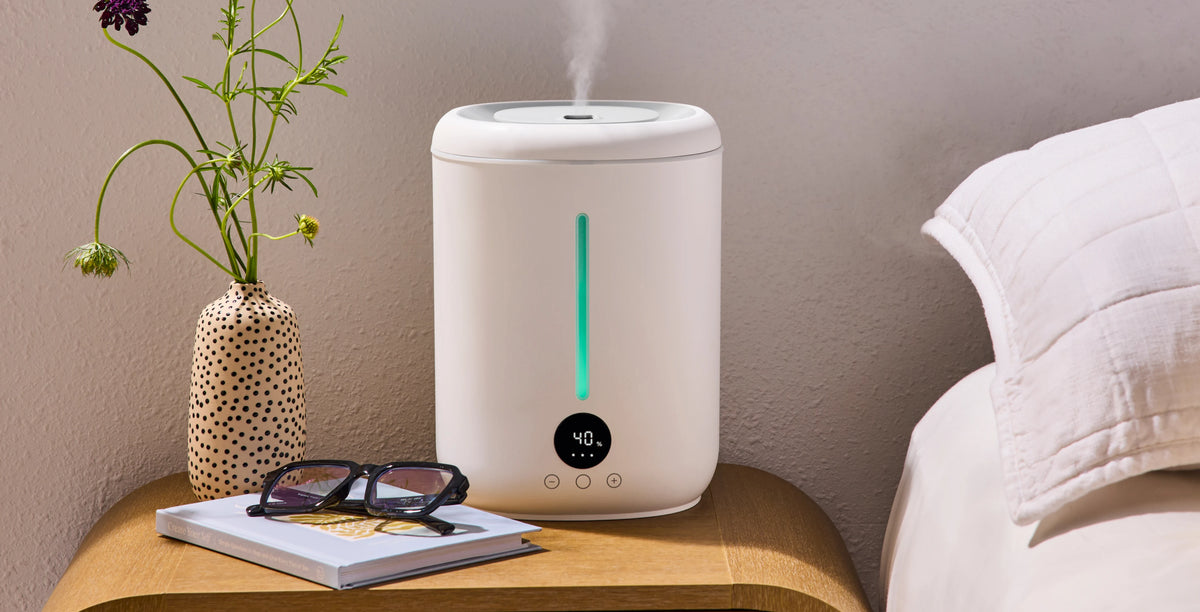
Keep indoor humidity between 30–50% to discourage mold growth. Use bathroom exhaust fans, vent dryers outdoors, and run a dehumidifier in damp areas if needed.
3. Clean Mold Safely
For small areas, wear gloves, eye protection, and an N95 respirator. Clean with soap and water or a mild detergent, then dry the surface completely. Replace heavily contaminated porous materials such as drywall, insulation, or carpet padding.
4. Remove Mold Spores from Dust
Even after visible mold is gone, spores can remain in household dust. Wipe surfaces with a damp microfiber cloth, vacuum with a sealed HEPA vacuum, and replace HVAC filters regularly.
5. Use Air Filtration
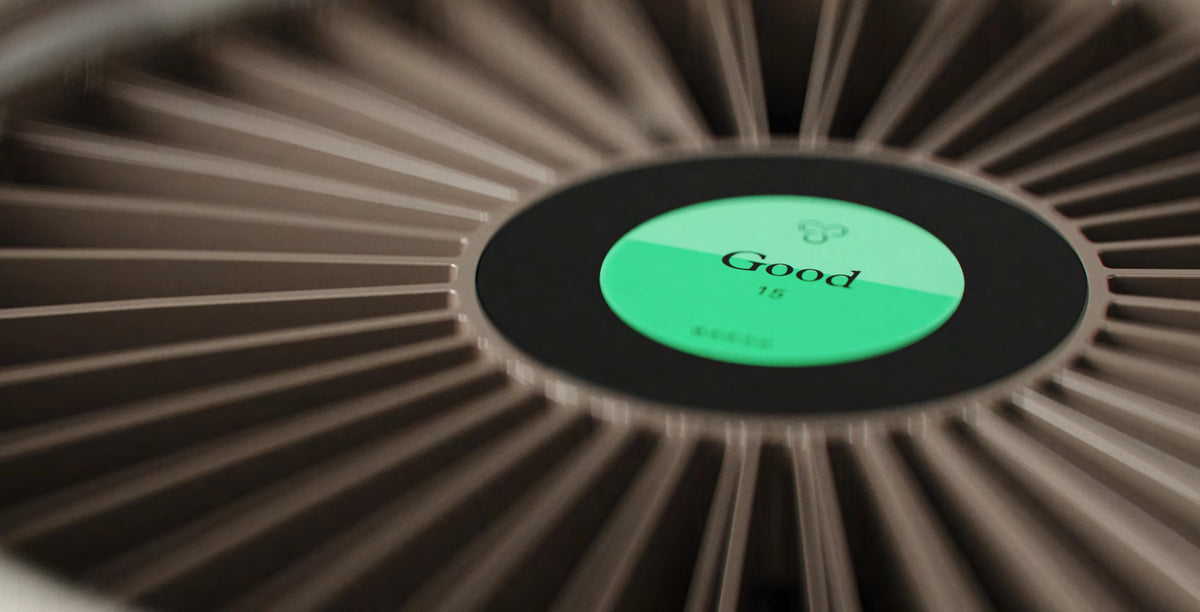
Air purifiers won't eliminate mold growth, but they can reduce airborne spores and improve air quality, particularly in bedrooms, basements, and other damp spaces.
6. Improve Ventilation
Ventilate your home when outdoor air quality and humidity are favorable. During periods of high humidity, wildfire smoke, or heavy pollen, rely on mechanical ventilation and filtration instead.
How to Prevent Mold Growth in Your Home
You can prevent mold growth in your home by:
- Running your bathroom fans consistently
- Wiping down wet surfaces after showers
- Keeping closet doors slightly open for airflow
- Avoiding storing cardboard directly on the basement floors
- Vacuuming and dust weekly with HEPA tools
- Checking humidity levels weekly, especially in summer
- Inspecting the attic and roof after storms
- Cleaning gutters to prevent water intrusion
- Maintaining grading and drainage around the foundation
- Servicing HVAC systems annually
- Replacing filters on schedule
Regular inspections and maintenance of HVAC systems, and keeping humidity low, are part of a solid mold prevention routine.
When to Seek Professional Mold Cleaning
You can clean up most mold yourself, consider professional help if and when:
- mold covers more than about 10 square feet
- mold is inside HVAC ducts
- mold is linked to sewage or contaminated floodwater
- you suspect hidden mold behind walls
- someone in the home is medically vulnerable
The CDC outlines additional safety steps and PPE needs for larger mold cleanup scenarios.
Frequently Asked Questions
What kills airborne mold spores?
Airborne mold spores are difficult to “kill” in open air, but you can reduce their concentration by controlling moisture, removing active mold growth, and using effective air filtration to capture spores and reduce recirculation. The EPA emphasizes that moisture control is essential because mold will keep producing spores as long as damp conditions remain.
How long do mold spores stay in the air after cleaning a home?
Mold spores can remain airborne for hours and may continue circulating for days if airflow, HVAC systems, or disturbed dust keep reintroducing them into the air. According to the CDC, thorough cleanup and drying are key because spores can settle into dust and become airborne again when the space is disturbed.
What plant removes 78% of airborne mold?
There is no reliable scientific consensus that any single houseplant consistently removes a specific percentage of airborne mold spores in real-world home conditions. Studies on plants often occur in controlled environments, and the EPA notes that source control and ventilation are the most effective ways to reduce indoor pollutants.
What absorbs mold in the air?
Nothing truly “absorbs” mold spores in the way a sponge absorbs water, but you can reduce airborne spores with filtration and by removing damp materials that support mold growth. Dehumidifiers can also help indirectly by keeping indoor humidity low, which limits mold growth and reduces how many spores are released over time.


