



Key Takeaways
-
A sleep-friendly bedroom supports your body’s natural sleep rhythms by balancing light, sound, temperature, humidity, and air quality.
-
Even small environmental disruptions like excess light, stale air, or dry indoor conditions can fragment sleep without fully waking you.
-
Consistent temperature and humidity ranges help your body stay in deeper stages of sleep longer.
-
Bedroom air quality affects congestion, breathing comfort, and overnight sleep continuity.
-
The best sleep environments are built through simple, repeatable habits rather than expensive overhauls.
If you have ever gone to bed tired, slept for hours, and still woken up feeling unrested, your bedroom environment may be working against you. Creating a sleep-friendly environment is actually quite easy and involves removing a few barriers to enable good sleep.
There are plenty of gadgets like air purifiers that can help improve bedroom air quality by reducing airborne particles and allergens. But you don’t necessarily need to spend any money to sleep better; a few simple habits can make a world of difference.
Why Your Sleeping Environment Is So Important
Sleep is a biological process regulated by your circadian rhythm, which responds to light, temperature, and environmental cues. Circadian rhythms help regulate your sleep timing, hormone release, and body temperature. When environmental signals are misaligned, your sleep quality suffers.
A bedroom that is too warm, too bright, too dry, or filled with irritants can cause subtle sleep disruptions. You may not wake up fully, but your sleep stages become lighter and more fragmented. Over time, this adds up to fatigue, brain fog, and mood changes.
How to Change Your Bedroom to Sleep Better
Block Out As Much Light as Possible
Light is the strongest signal affecting your sleep timing. Even small amounts of light can suppress melatonin, the hormone that signals to your body it’s time to sleep.
To create a sleep-friendly bedroom environment, reduce artificial light at night. The Sleep Foundation notes that exposure to artificial light in the evening (think phone screens and TVs) can delay sleep onset and reduce sleep quality, meaning you wake up still feeling tired.
Even if you’re able to take naps during the light of day, you’ll sleep better at night if you:
-
Use blackout curtains or shades
-
Turn off overhead lighting at least an hour before bed
-
Choose warm, low-intensity lamps instead of bright white bulbs
-
Eliminate LED indicators from electronics when possible
And when you wake up, let natural light into the room, even on cloudy days. This will help you wake up a bit easier and reinforce healthy sleep timing the following night.
Cool Your Bedroom Off
Your body naturally cools as part of the sleep process, so a warm temperature actively reduces sleep quality. The Sleep Foundation reports that most adults sleep best in a room between 60 and 67°F, though your individual comfort may vary.
Try to keep the temperature stable overnight since large temperature swings can pull you out of deeper sleep stages.
If you live in a warm climate, ceiling fans or quiet circulating fans can help maintain comfort without blasting cold air.
Maintain a Balanced Relative Indoor Humidity
Relative humidity often goes untracked in homes despite the important role it plays in sleep quality. Overly dry air irritates the throat, nasal passages, and skin, and overly humid air can cause mold and dust mites to thrive. The EPA recommends keeping indoor humidity between 30 and 50 percent for comfort and indoor air quality.
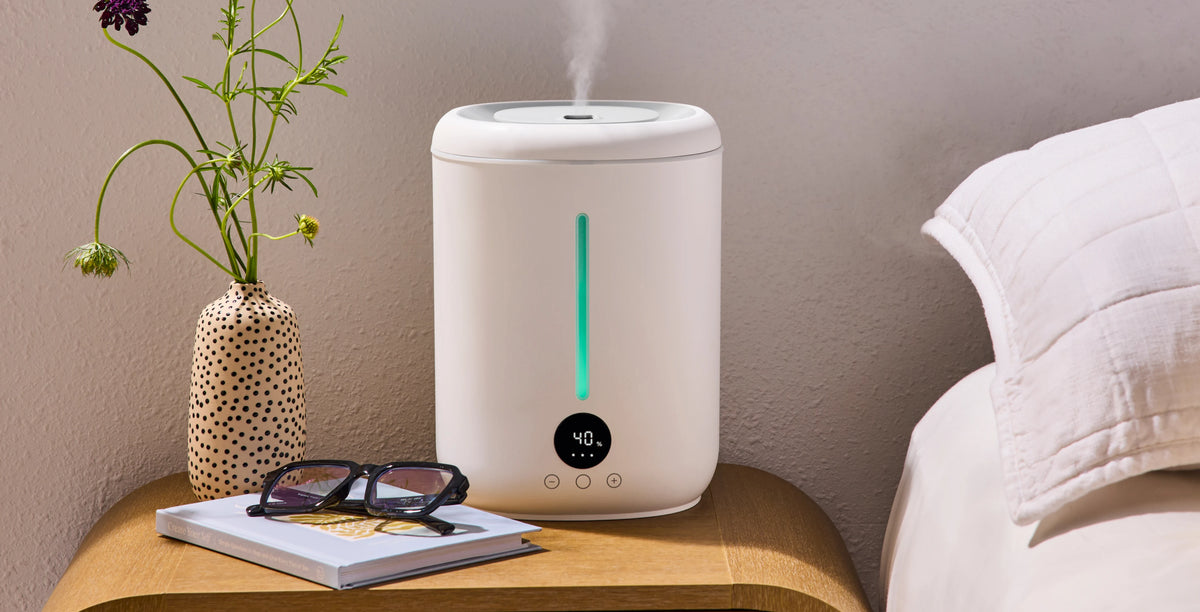
If you wake up with a scratchy throat, nasal irritation, or dry skin or lips, you may need a humidifier to add moisture to the air.
Inversely, if you wake up to musty odors, condensation on windows, or increased allergy symptoms, the air is too moist and you may need a dehumidifier to balance the relative humidity levels.
You can purchase a hygrometer for $15 from most home improvement stores to test your bedroom’s relative humidity, then act accordingly.
Reduce Noise That Interrupts Sleep Cycles
Sudden or irregular sounds can pull your brain out of deeper sleep stages, even if you’re a “deep sleeper.” The World Health Organization notes that nighttime noise exposure can disturb sleep even at relatively low volumes.
If you live in a multi-unit home with thin walls, noisy neighbors, or a lot of external noise, consider:
-
Using soft background noise, like a fan or white noise machine
-
Sealing gaps around your doors and windows
-
Adding soft furnishings that absorb sound
-
Keeping phones on silent and notifications disabled
All of these will reduce audible distractions to prevent sleep interruption.
Clean Up Your Bedroom Air
Air quality affects our sleep in subtle ways. Congestion, post-nasal drip, coughing, or a feeling of stale air can fragment your sleep even if you don’t consciously wake up.
The EPA notes that indoor air can be more polluted than outdoor air, especially in enclosed spaces like bedrooms where doors and windows stay closed overnight.
The most common air pollutants that affect sleep are:
-
dust and dust mites
-
pet dander
-
pollen brought in on clothing
-
VOCs from furniture and cleaning products
-
lingering odors
Improving ventilation helps, but many bedrooms lack consistent airflow. In those cases, filtration can help reduce airborne particles during the hours you are sleeping. Placement also matters, since where you put an air purifier in the bedroom can affect how well it reduces airborne particles overnight.
Choose Bedding and Surfaces That Don’t Trap Irritants
Your bed itself can be a major source of dust and allergens. The American Academy of Allergy, Asthma, and Immunology notes that dust mites thrive in bedding and mattresses.
To reduce the likelihood of dust mites in your bedroom,
-
Use allergen-resistant mattress and pillow covers
-
Wash your sheets weekly in hot water
-
Replace any old pillows that trap dust and moisture
Keep Your Electronics From Disrupting Your Sleep
Electronics affect sleep in two main ways: light exposure and mental stimulation. The Sleep Foundation advises limiting screen use before bed because blue light exposure can delay melatonin release.
If sleep is truly a priority for you:
-
Charge phones outside the bedroom if possible
-
Use an alarm clock instead of a phone
-
Stop scrolling at least 30 to 60 minutes before sleep
Electronics also contribute to heat and dust buildup, which can affect overnight comfort.
Adjusting for Different Sleep Needs
Infants and children often sleep best in slightly warmer rooms than adults. Clean air and consistent humidity are especially important, which is why some families prioritize air purifiers for their kids’ rooms.
As people age, temperature regulation and sleep cycles change. Stable environments and reduced nighttime disturbances become even more important for sleep quality.
Frequently Asked Questions
How can you create a sleep-friendly environment in your bedroom?
A sleep-friendly bedroom is cool, dark, quiet, and free from common irritants like excess light, noise, dust, and stale air. Consistent temperature, balanced humidity, limited electronics, and clean air all help support deeper, less interrupted sleep.
What is the 10-5-3-2-1 rule for sleep?
The 10-5-3-2-1 rule is a guideline for winding down before bed: no caffeine 10 hours before sleep, no alcohol 5 hours before, no food 3 hours before, no work 2 hours before, and no screens 1 hour before bedtime. It is designed to reduce stimulation and support natural sleep rhythms.
What is the 3-2-1 method for bedtime?
The 3-2-1 method is a simplified bedtime routine that encourages stopping food 3 hours before bed, stopping work 2 hours before bed, and turning off screens 1 hour before sleep. It helps signal to the brain that it is time to wind down.
What is the 5-3-3 sleep method?
The 5-3-3 sleep method generally refers to spacing activities before bed, such as avoiding heavy meals 5 hours before sleep, limiting stimulating activities 3 hours before, and using the last 3 hours for calm, low-stimulation routines. While versions vary, the goal is to reduce physical and mental stimulation as bedtime approaches.


