



Key Takeaways
-
Sleeping for eight hours does not guarantee restorative sleep if sleep quality is disrupted.
-
Fragmented sleep, breathing issues, and environmental factors often reduce deep and REM sleep.
-
Bedroom conditions like air quality, humidity, noise, and temperature play a major role in how rested you feel.
-
Stress, inconsistent routines, and late-night habits can quietly undermine sleep recovery.
-
Improving your sleep environment often has a bigger impact than sleeping longer.
Sleep is not a simple on-off switch. Your body moves through light, deep, and REM sleep multiple times each night. If those stages are disrupted, shortened, or uneven, you can wake up feeling exhausted even after eight hours in bed.
For many people, improving sleep quality starts with addressing environmental and physiological factors, including bedroom air quality. Blackout curtains, reducing screen time before bed, white noise, and bedroom air purifiers can all help you sleep better at night, but they’re a part of a broader strategy to reduce nighttime congestion and sleep disruptions.
8 Hours of Sleep ≠ 8 Hours of Rest
Deep sleep and REM sleep are essential for physical recovery, memory consolidation, and emotional regulation. Frequent awakenings or shallow sleep can reduce these stages even if you were technically asleep for 8 hours.
Common signs of poor sleep quality include:
-
waking up unrefreshed
-
brain fog or poor concentration
-
reliance on caffeine to function
-
low energy despite sufficient sleep time
These are usually exacerbated by physical (exercise, injuries, and illness) and mental stressors (anxiety, grief, and depression).
Most People Don’t Sleep Throughout the Night
These micro-awakenings can be caused by noise, temperature changes, breathing issues, or discomfort.
You may not even realize them and fall back asleep instantly, but sudden noises, temperature changes, and poor air quality can pull you out of deeper sleep stages, impacting your rest and recovery.
Your Air Quality Silently Disrupts Your Sleep
Most people focus on light and sound as sleep disruptors, but air quality is just as critical to a good night of sleep. The Environmental Protection Agency notes that indoor air can be more polluted than outdoor air, especially in enclosed spaces like bedrooms where doors and windows stay closed overnight.
Poor air quality can lead to:
-
congestion and post nasal drip
-
coughing or throat irritation
-
frequent position changes during sleep
-
lighter, more fragmented sleep
Many people wonder whether it makes sense to run filtration overnight, which is why questions like “should you sleep with an air purifier on?” come up so often in discussions around trying to improve sleep quality.
Relative Humidity
Humidity plays a major role in breathing comfort and sleep continuity. Air that is too dry can irritate the nose and throat, while air that is too humid can promote mold and dust mites.
The EPA recommends keeping your indoor humidity between 30 and 50 percent for both comfort and indoor air quality. Understanding what relative humidity is can help you identify whether dryness or excess moisture may be affecting your sleep.
Signs that low humidity may be interfering with your sleep include dry skin or lips in the morning, or a scratchy throat overnight. Meanwhile, musty odors or condensation are signs that high humidity may be interfering with your sleep.
Meanwhile, both low and high humidity can worsen nasal congestion, but they do so in different ways. Low humidity dries out nasal passages, leading to irritation and thick mucus. High humidity increases nasal swelling (inflammation) and promotes allergens like mold and dust mites, causing congestion and pressure.
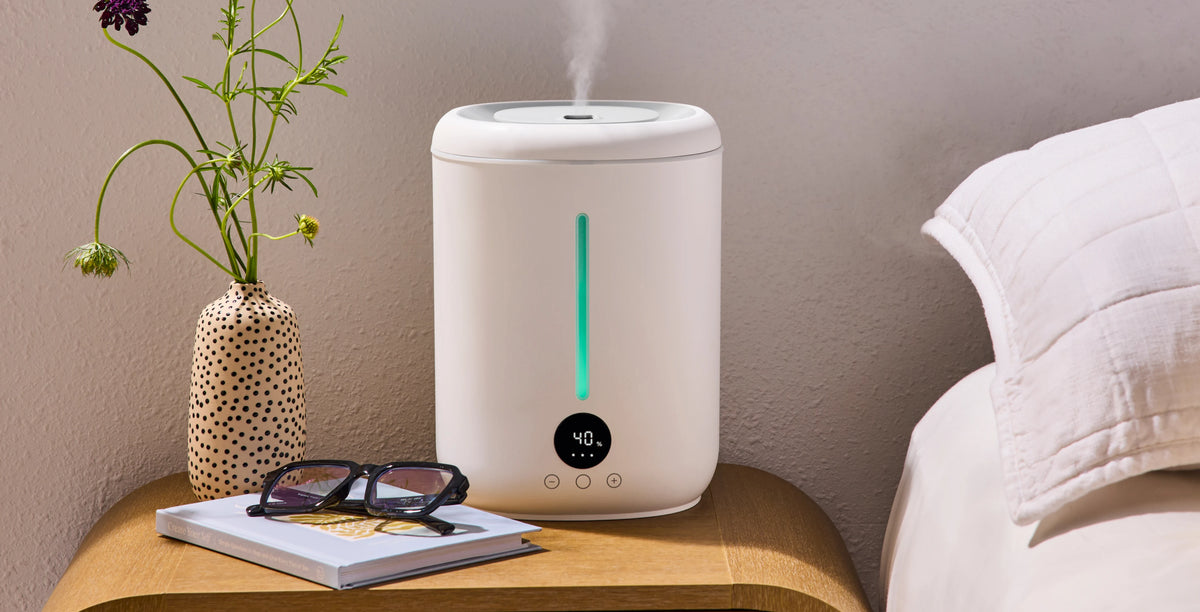
Balancing humidity is often a simple but powerful step toward deeper sleep. Try fine-tuning your bedroom’s humidity by using a humidifier if relative humidity is below 30% and a dehumidifier if relative humidity if it’s above 50%.
Bedroom Temperature
Your body naturally cools as part of the sleep process. If your bedroom is too warm, it can interfere with this drop and reduce your time spent in deep sleep.
The Sleep Foundation reports that most adults sleep best in a room between 60 and 67 degrees Fahrenheit, though personal comfort varies. Temperature-related sleep disruption often looks like tossing and turning, waking up sweaty or chilled, and shallow sleep early in the night.
You Don’t Have a Consistent Sleep Schedule
Going to bed and waking up at different times each day can disrupt your circadian rhythm. Of course it depends on your weekday and weekend schedule, especially if you have children or a career where you work abnormal hours, but a regular sleep schedule can make a world of difference in your day-to-day rest and recovery.
As an example, try going to bed every weeknight at 10:00 PM and waking up at 6:00 AM, and on weekends, add an extra hour if it allows.
Why Sleeping Longer Often Isn’t Always the Answer
When your sleep quality is poor, sleeping longer can sometimes make you feel worse. You may wake up during deep sleep or spend more time in light, non-restorative sleep.
Instead of aiming for more hours, focus on:
-
reducing awakenings
-
improving breathing comfort
-
stabilizing your sleep environment
-
keeping consistent sleep and wake times
What to To Do If You Keep Waking Up Tired
If you want a simple starting point, prioritize these changes to create a sleep friendly bedroom:
-
Improve bedroom air quality and airflow
-
Balance humidity
-
Set a stable nighttime temperature
-
Reduce noise and light disruptions
-
Keep sleep timing consistent
You may see meaningful improvements when you address environmental factors like these before making big changes to your sleep duration.
Frequently Asked Questions
Why do I wake up exhausted after 8 hours of sleep?
Waking up exhausted after eight hours usually points to poor sleep quality rather than insufficient sleep time. Fragmented sleep, breathing discomfort, stress, or environmental factors like noise, temperature, and air quality can all prevent deep, restorative sleep.
How to stop waking up exhausted?
Focus on improving sleep quality by keeping a consistent sleep schedule, optimizing your bedroom environment, and addressing issues like congestion, dryness, or nighttime disturbances. Reducing light exposure at night and improving airflow can also help your body move more smoothly through sleep cycles.
What is the 10-5-3-2-1 rule for sleep?
The 10-5-3-2-1 rule is a wind-down framework that recommends no caffeine 10 hours before bed, no alcohol 5 hours before, no food 3 hours before, no work 2 hours before, and no screens 1 hour before sleep. It helps reduce stimulation and support natural sleep rhythms.
What deficiency causes tiredness and fatigue?
Iron deficiency, vitamin B12 deficiency, and vitamin D deficiency are commonly associated with fatigue. Persistent tiredness should be discussed with a healthcare provider, as deficiencies can only be diagnosed through proper testing.
What vitamins can help fight fatigue?
Vitamins such as B12, iron, and vitamin D play important roles in energy metabolism and oxygen delivery. Supplements should only be used if a deficiency is confirmed, and guidance from a healthcare professional is recommended.
Why do I never wake up feeling refreshed?
If you never wake up refreshed, it may be due to ongoing sleep fragmentation, chronic stress, breathing issues, or an unsupportive sleep environment. Improving sleep quality and consistency is often more effective than sleeping longer.
Should I go back to sleep if I wake up tired?
Going back to sleep may help if you wake up earlier than planned, but repeatedly sleeping in can disrupt your circadian rhythm. Getting up at a consistent time is usually better for long-term sleep quality.
What deficiency causes oversleeping?
Vitamin deficiencies are not a common cause of oversleeping, but conditions like depression, chronic fatigue, or sleep disorders can contribute to excessive sleep. If oversleeping is persistent, it is best to consult a healthcare provider for proper evaluation.


