


To put your mind at ease from the start, we’ll just say it: you're not imagining it. It’s very likely your child is in a constant state of sniffling, coughing, or staying home from school. Young children get sick a lot. Viruses seem to hang around in the air everywhere they go.
The (kind of) good news is, in most cases, it's completely normal.
The Numbers: How Often Do Kids Really Get Sick?
Children under age 6 average 6–8 colds per year. If your kid is in daycare, that number can climb to 10–12 colds annually. Add in stomach bugs, ear infections, and the occasional fever, and it's easy to see why parents feel like they're living in a permanent state of illness.
While exhausting, this high illness frequency is actually a sign that your child's immune system is doing exactly what it's supposed to do: learning.

Their Immune Systems Are Still in Training
Unlike adults, who've been exposed to countless viruses over decades, children are encountering most germs for the first time. Each cold or mild infection teaches their immune system how to recognize and fight off threats more efficiently in the future.
Think of it as on-the-job training. It's messy and slow at first, but essential for building long-term resilience and immunity.
Schools and Daycares Are Prime Locations for Germ Exposure
Young children spend hours in close quarters with other kids, sharing toys, snacks, and air. They're also still working on basic hygiene. Studies show kids touch their faces frequently, often with unwashed hands.
Add in the fact that many children are asymptomatic carriers or contagious before symptoms appear, and it's no wonder schools and daycare centers are germ hot spots.
Seasonal and Environmental Factors Matter
Fall and winter bring more than just cooler temperatures. Families spend more time indoors with windows closed, reducing ventilation and making it easier for viruses to spread. Dry indoor air, which is common during heating season, can worsen congestion, irritate airways, and compromise the body's natural defenses.
This is where indoor air quality comes in.
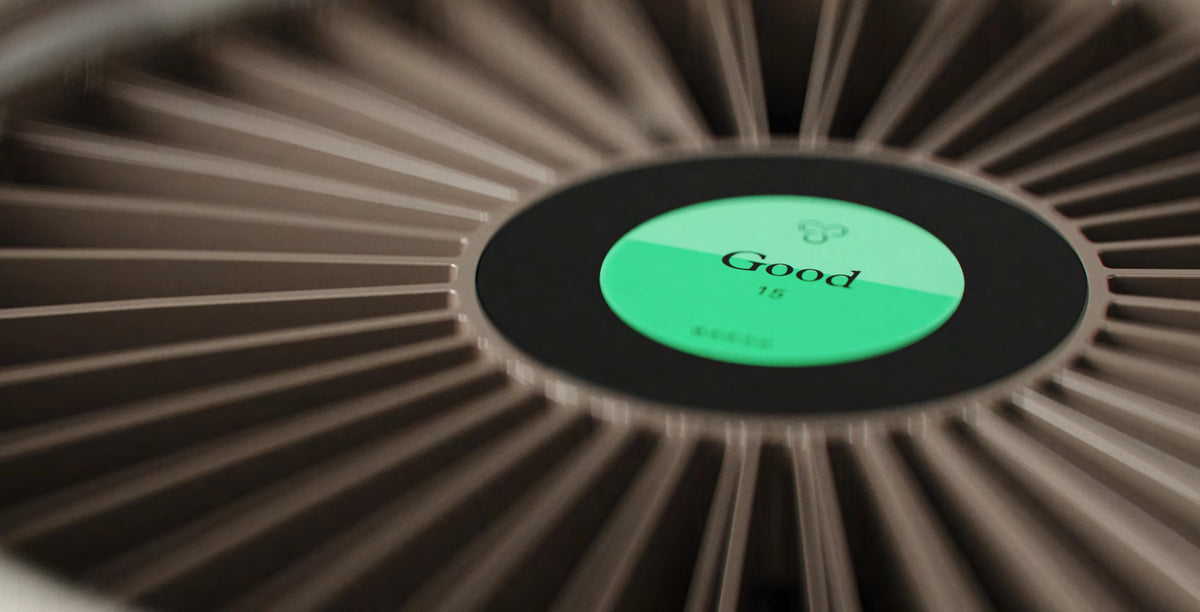
Children breathe more air per pound of body weight than adults, making them more sensitive to airborne particles. High-efficiency air purifiers can reduce allergens, PM2.5, and respiratory irritants that stress developing immune systems, especially during illness season.
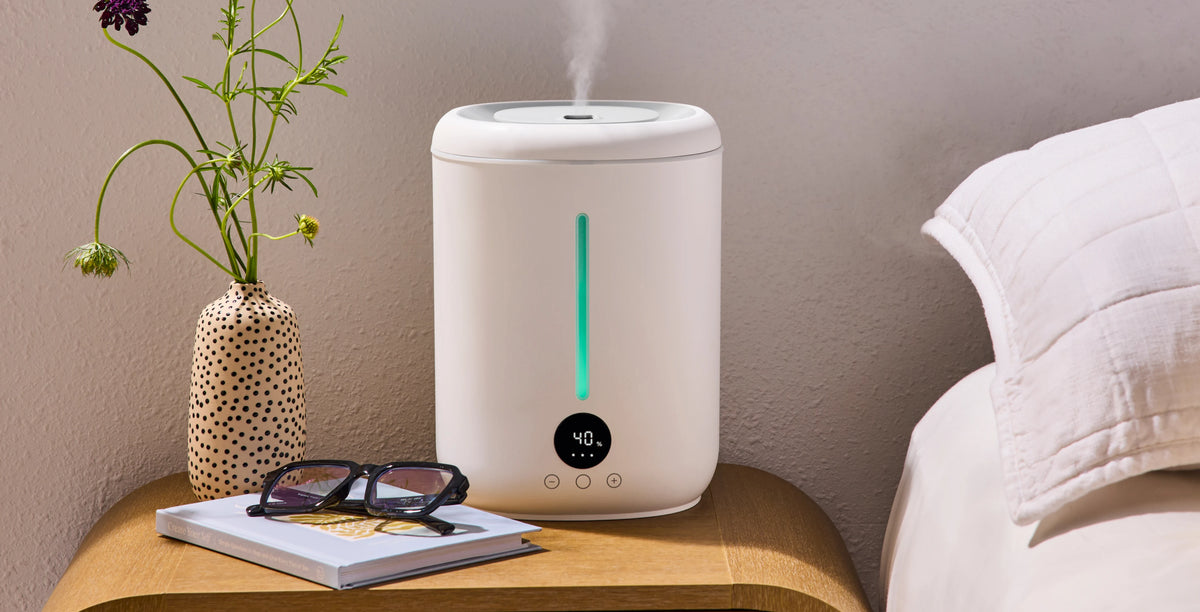
Humidity also plays a critical role. Maintaining 30–50% relative humidity helps keep nasal passages and airways hydrated, supporting the mucus barrier that traps and clears pathogens. When air gets too dry, it can lead to nosebleeds, worse coughing, and disrupted sleep, all of which compound the impact of illness.
What Parents Can Actually Control
- You can't bubblewrap your child from every virus, but you can build a proactive wellness foundation:
- Keep up with vaccinations and pediatric care
- Teach and reinforce proper handwashing before meals, after school, after using the bathroom
- Prioritize sleep and nutrition to support immune function
- Keep sick kids home to prevent spread Improve indoor air quality: Use a high-quality air purifier in bedrooms and shared spaces
- Monitor and maintain healthy indoor humidity levels Open windows when weather permits for ventilation
The Bottom Line
Frequent childhood illness is developmentally normal, you're not doing something wrong. And while you can't eliminate every cold, you can create an environment that supports your child's immune system as it learns and strengthens.
Clean air, proper humidity, good hygiene, and rest aren't about perfection. They're about giving your child's body the best conditions to do what it already knows how to do: heal, adapt, and grow stronger.
Start creating a healthier home environment with our humidifiers and air purifiers today.


