


If you feel like fine dust shows up no matter how often you clean, you are not imagining it. These tiny particles are light enough to stay in the air for hours, which means you can breathe them in without ever seeing them. Over time, fine dust can make your home feel stuffy, trigger allergies, and leave you wiping the same surfaces again and again.
The good news is that getting rid of fine dust is not about one big overhaul. It comes down to a few smart habits that work together, like reducing dust at the source, cleaning in a way that does not kick particles back into the air, and using air purification to remove what you cannot see.
What Counts as Fine Dust Particles
Fine dust particles are the tiny bits of material floating in the air that are small enough to stay suspended for a long time. You might not notice them the way you notice dust on a shelf, but they are still there, moving through your home every time you walk, vacuum, cook, or turn on the heat. Scientists often group these particles under “particulate matter,” especially the smaller sizes known as PM10 and PM2.5. These are light, inhalable particles that can travel deeper into your airways than larger dust pieces.
In everyday life, fine dust can include things like lint and fabric fibers, pollen fragments, pet dander, mold spores, and tiny bits of soot or smoke from cooking or candles. Outdoor pollution can also drift inside and add to the mix. Because these particles are so small, they hang around in the air longer and are easier to breathe in, which is why they often play a role in dust allergies, irritation, and that “stale air” feeling.
Where Fine Dust Comes From in Everyday Life
Fine dust has a way of sneaking in from just about everywhere, which is why it can feel like an endless cycle. Some of it is created inside your home through normal daily living, and some of it drifts in from outdoors without you even noticing.
Common indoor sources include:
-
People and pets. Skin flakes, hair, and pet dander break down into tiny particles that become part of household dust. Soft surfaces like rugs, couches, and bedding hold onto them and release them back into the air as you move around.
-
Fabrics and fibers. Clothing, blankets, carpets, and even paper products shed microscopic fibers over time. These are light enough to float when disturbed.
-
Cooking and candles. Frying, baking at high heat, or burning candles can release tiny smoke and soot particles that linger long after the smell is gone.
-
Airflow from heating or cooling. HVAC systems can stir up settled dust from floors, vents, and ductwork, recirculating it through your rooms.
Outdoor sources are just as important:
-
Traffic and industrial pollution. Fine particles from cars, construction, and nearby industry can enter through open doors, windows, or small gaps around your home.
-
Seasonal pollen and dry soil. Pollen grains can fracture into smaller pieces, and dry, windy weather can carry fine dust indoors on shoes, clothes, and pets.
-
Wildfire smoke or regional haze. During fire season or high pollution days, extremely fine particles can make their way inside even when you are trying to stay sealed up.
Once you know where fine dust is coming from, it gets much easier to tackle it in a way that actually lasts.
Why Fine Dust Matters for Your Health and Comfort
Fine dust might seem like a nuisance, but it can have a real impact on how you feel at home. Because these particles are so small, they are easy to breathe in and more likely to irritate your nose, throat, and lungs than larger bits of dust that fall quickly to the floor. For people with allergies or asthma, that can mean more sneezing, coughing, congestion, or a tight feeling in the chest, especially in rooms where dust builds up easily.
Even if you do not have a diagnosed allergy, fine dust can still affect comfort. It can make indoor air feel dry or stale, contribute to that “heavy air” feeling, and sometimes leave you waking up with a scratchy throat or stuffy nose. The more you reduce fine dust in the air, the more your home can feel fresh and easy to breathe in day after day.
Step One: Reduce Dust at the Source
The less dust that comes into your home in the first place, the easier it is to keep fine particles out of the air. A few small habits can make a noticeable difference over time.
-
Take shoes off at the door and use doormats. Shoes track in outdoor dust, dirt, and pollen. Leaving them at the door and using a good entry mat helps stop fine particles before they spread through your floors and carpets.
-
Groom pets regularly and wash pet bedding. Pet dander and fur break down into tiny airborne particles. Brushing pets and cleaning their beds often keeps that dust load lower.
-
Limit candles and smoky cooking without ventilation. Burning candles or cooking at high heat can release very fine soot and smoke particles that hang in the air. Ventilating while you cook and avoiding frequent smoky sources helps cut down on that invisible dust.
-
Store seasonal clothes and linens in sealed bins. Fabrics shed fibers, and stored items can collect dust that gets released when you pull them out later. Sealed plastic bins keep that dust contained.
Step Two: Clean in a Way That Does Not Recycle Dust
Cleaning helps, but the way you clean matters just as much as how often. The goal is to remove dust without sending it right back into the air.
-
Vacuum with a HEPA equipped vacuum once or twice a week. HEPA vacuums are designed to trap smaller particles instead of blowing them out through the exhaust. Focus on carpets, rugs, and upholstery where dust settles deep.
-
Damp dust surfaces with microfiber. Dry dusting can lift fine particles into the air. A slightly damp microfiber cloth grabs dust and keeps it from floating away.
-
Wash bedding weekly and clean soft furnishings regularly. Sheets, curtains, throw blankets, and couches hold onto fine dust and allergens. Regular washing helps pull those particles out of your air cycle.
Step Three: Improve Ventilation and Airflow
Fresh air and steady airflow help move dust out instead of letting it linger in place.
-
Use exhaust fans while cooking or showering. These activities release particles and moisture that can bind with dust. Fans help push them outside.
-
Open windows when outdoor air quality is good. A little natural ventilation can dilute indoor dust and keep air from feeling stale.
-
When outdoor air is dusty or smoky, keep windows closed and focus on filtration. On high pollution or wildfire smoke days, outdoor particles can rush inside, so it is better to seal up and clean the air indoors.
Step Four: Upgrade Your Home Filtration
Your home’s built-in filtration has a big effect on fine dust levels, especially if you use heating or cooling regularly.
-
Replace HVAC filters on schedule. Dirty filters can let smaller dust particles circulate back into your rooms. Using higher efficiency filters helps capture more of the fine stuff.
-
Keep vents clear and consider duct cleaning if dust is persistent. Blocked vents reduce airflow, and dusty ductwork can keep reintroducing particles into your air. If you notice dust returning unusually fast, ducts may be part of the issue.
Step Five: Use Air Purification to Remove What You Cannot See
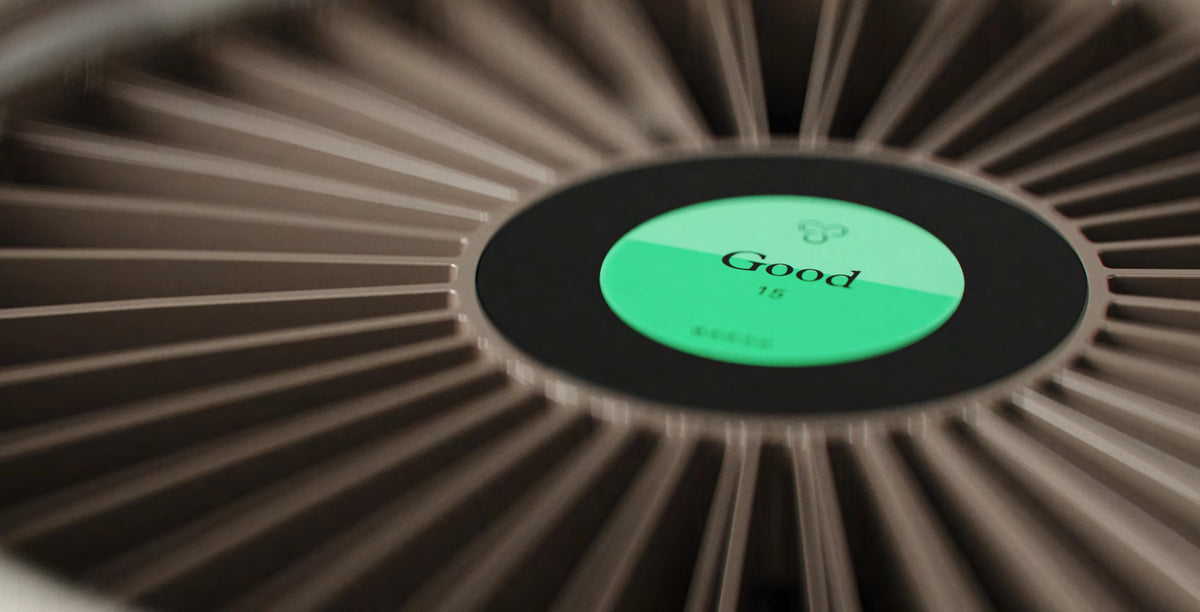
Fine dust is tricky because it stays airborne longer than larger particles. That means even after cleaning, there can still be microscopic dust floating around for hours. An air purifier for dust helps by continuously pulling those particles out of circulation, especially in rooms where you spend the most time. High-efficiency filtration is particularly helpful for fine dust, allergens, and other tiny irritants.
This is where Molekule fits naturally into a fine dust plan. Molekule’s PECO technology is designed not just to capture pollutants, but to destroy a wide range of airborne contaminants including allergens, mold, bacteria, viruses, and VOCs.
PECO works through a light activated reaction on a nanoparticle-coated filter that breaks pollutants down into harmless substances like trace water and carbon dioxide. And importantly for safe indoor use, Molekule devices do not produce ozone and have been shown to reduce ozone levels in indoor air.
Step Six: Keep Humidity Balanced
Humidity affects how dust behaves and how your body reacts to it. When indoor air is too humid, fine dust can pair with moisture and support allergens like dust mites and mold. When air is too dry, your nose and throat can feel more irritated by particles that are already present.
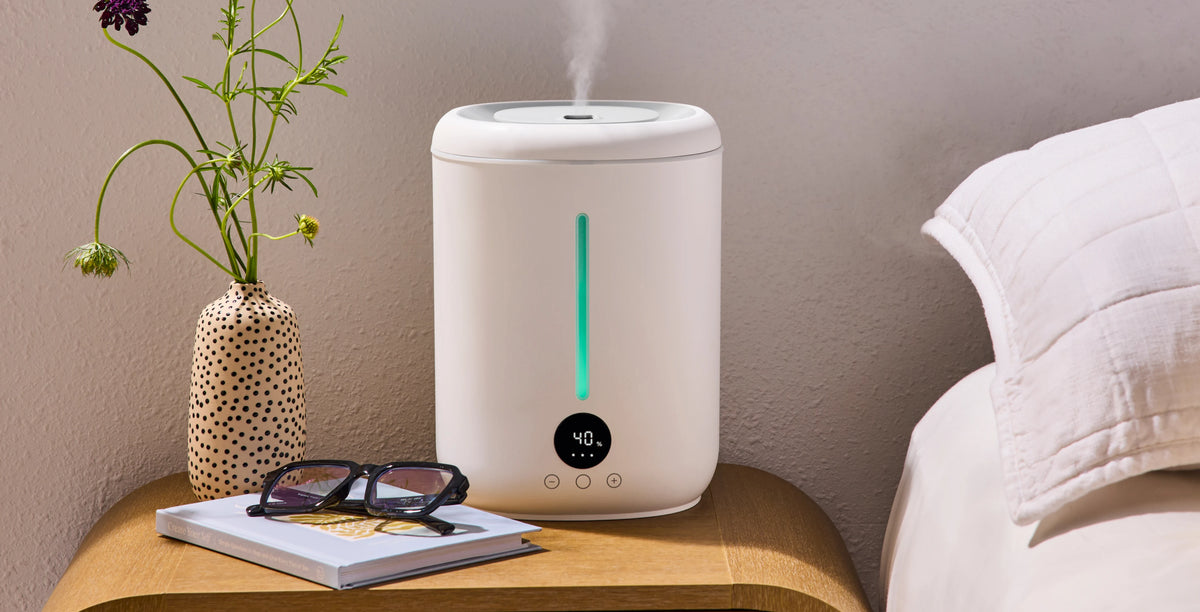
A good target for most homes is keeping indoor humidity under about 50 percent. If your space tends to feel damp, running a dehumidifier can help keep dust and allergy triggers under control while also making the air feel more comfortable to breathe. Just be sure to clean the dehumidifier regularly to avoid mold buildup.

Putting It All Together: A Simple Weekly Routine
Knowing what to do is one thing. Making it easy to stick with is what really keeps fine dust under control. Here is a simple weekly routine you can lean on, then adjust based on your home and your lifestyle.
Daily or most days
-
Do a quick tidy of high-traffic areas so dust has fewer places to settle.
-
If you have a large or portable air purifier, keep it running, especially in bedrooms and main living spaces, since fine dust stays airborne for long stretches.
Two to three times a week
-
Vacuum floors and rugs, ideally with a HEPA-equipped vacuum to trap fine particles instead of redistributing them.
-
Damp-dust surfaces you touch often, like nightstands, shelves, and window sills, using a microfiber cloth.
Once a week
-
Wash bedding in hot water to remove dust and allergens that collect while you sleep.
-
Give soft surfaces a refresh by vacuuming couches and chairs, and shaking out washable throws.
-
Check your indoor humidity. If it is creeping above about 50 percent, run a dehumidifier to keep dust mites and mold from adding to the dust load.
Once a month
-
Replace or clean HVAC filters on schedule and wipe down vents so dust does not keep recirculating.
This kind of routine is not about perfection. It is about consistency. A few small habits, repeated regularly, can make your air feel noticeably cleaner and help fine dust stop running the show.
Conclusion: Cleaner Air Is a Combination of Small Wins
Getting fine dust out of the air is not about finding one perfect fix. It is about stacking small, smart habits that work together. When you reduce dust at the source, clean in ways that actually remove particles, keep fresh air moving, and support your home with good filtration and air purification, the air starts to feel lighter and easier to live in.
The best part is that none of this has to be complicated. A simple routine, done consistently, can noticeably cut down on fine dust and the irritation that comes with it. Over time, those small wins add up to a home that feels fresher, more comfortable, and healthier to breathe in every day.
Frequently Asked Questions
How to remove fine dust from the air?
The most effective approach is a mix of source control, HEPA vacuuming, damp dusting, and running an air purifier to continuously pull fine particles out of circulation. Fine dust stays airborne longer than you expect, so air purification is key for what cleaning misses.
What is grandmas' simple trick to eliminate dust?
A classic trick is wiping surfaces with a lightly damp cloth or a homemade dust-repellent mix like vinegar, a tiny drop of soap, and a bit of oil, which helps dust cling less between cleanings. Some people also swear by a used dryer sheet for quick dust pickup.
How do you get rid of fine dust?
You will get the best results by vacuuming with a HEPA-equipped vacuum, damp dusting instead of dry sweeping, and reducing what you track in from outdoors. Pairing this with the benefits of an air purifier helps remove the fine particles that stay floating in the air.
How are dust particles removed from air?
Dust is removed when air moves through filtration that traps tiny particles, such as HVAC filters or air purifiers with high-efficiency media. Ongoing airflow plus filtration steadily lowers the amount of dust you breathe in.


