


If seasonal dust allergies hit you every year, you know how frustrating they can be. One week you are fine, and the next you are waking up stuffy, sneezing through the afternoon, and wondering why your own home feels like it is working against you. The tricky part is that dust allergies are not just about dust. They are often caused by tiny allergens hiding in everyday places like bedding, carpets, and upholstery, and certain seasons can make those triggers feel a lot worse.
The good news is that you do not need a complicated routine to feel better. A few simple changes, like washing fabrics regularly, keeping humidity comfortable, and using an air purifier to reduce airborne allergens, can help you breathe easier all season long.
What Seasonal Dust Allergies Really Are
Seasonal dust allergies are your immune system reacting to things that collect in everyday household dust. For most people, the biggest trigger is dust mites, which are tiny, invisible organisms that live in warm, slightly humid places like bedding, carpets, and upholstered furniture. It is not the dust itself that causes symptoms, but proteins from dust mites and their waste that become airborne and irritate your nose, eyes, and throat.
Dust allergies can feel seasonal because your indoor environment changes throughout the year. In colder or hotter months, we tend to keep windows closed and run heating or cooling systems more often, which can stir up settled dust and keep allergens circulating. Humidity shifts can also play a role, since dust mites thrive when indoor air is a bit more humid. That combination can lead to flare-ups that feel tied to certain seasons, even though dust allergens are around all year.
Common Seasonal Triggers Inside the Home
Even when you stay indoors, seasonal changes can quietly increase the dust and allergen load in your home. A few patterns show up again and again for people with dust allergies:
-
Closed windows and less fresh air. During colder or hotter seasons, homes stay sealed up longer, so dust and allergens build up instead of being aired out.
-
Heating and cooling systems stirring particles. When your furnace or air conditioner runs more often, it can circulate dust from vents, floors, and hidden corners back into the air.
-
Seasonal humidity shifts. Dust mites thrive in more humid indoor air, and moisture can also encourage mold, which adds to allergy symptoms.
-
Pollen hitchhiking indoors. In spring and fall especially, pollen sticks to clothes, shoes, hair, and pets, then settles into household dust and makes reactions feel worse.
-
Bedding and soft furniture holding allergens. In any season, but especially when you are indoors more, dust mites and dander collect in pillows, mattresses, rugs, and couches.
The takeaway is simple: seasonal dust allergy flare ups usually have more to do with indoor conditions than you might expect. Once you know the triggers, it gets much easier to break the cycle.
Tip 1: Purify the Air Where You Sleep
When dust allergies flare up, your bedroom is the most important place to focus. You spend hours there every night, breathing the same air for a long stretch of time, so even small allergen levels can add up and affect how you feel the next day.
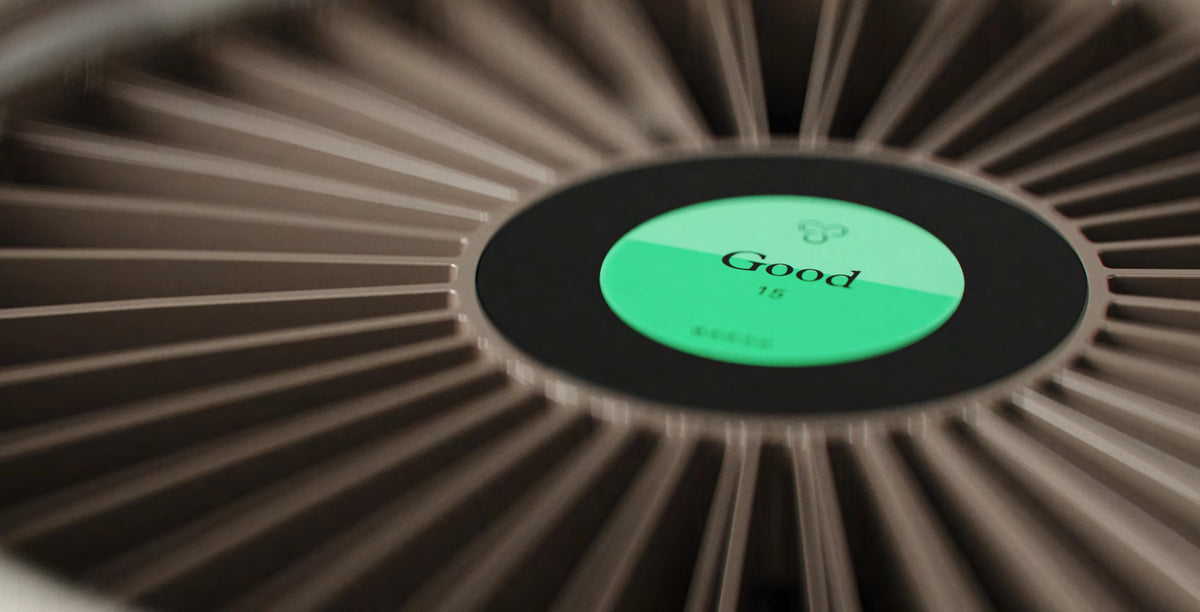
Using an air purifier for dust in your sleeping space can help reduce not only airborne dust but also pollen and pet dander before they irritate your nose and throat. This is especially helpful during seasons when you keep windows closed more often and allergens stay trapped indoors.
Tip 2: Wash Bedding the Right Way
Bedding is one of the biggest hotspots for dust mite allergens. Washing sheets and pillowcases every week in hot water helps remove the particles that trigger symptoms and keeps your sleep environment feeling fresher.
If you usually dry your bedding outside, consider switching to indoor drying during high pollen seasons. Outdoor air can leave pollen clinging to fabric, which brings another trigger right back into bed with you.
Tip 3: Keep Humidity in a Comfortable Range
Dust mites and mold both love humidity, so managing moisture is one of the simplest ways to reduce allergy triggers at home. When indoor air stays too damp, dust mites thrive and allergens build up faster.
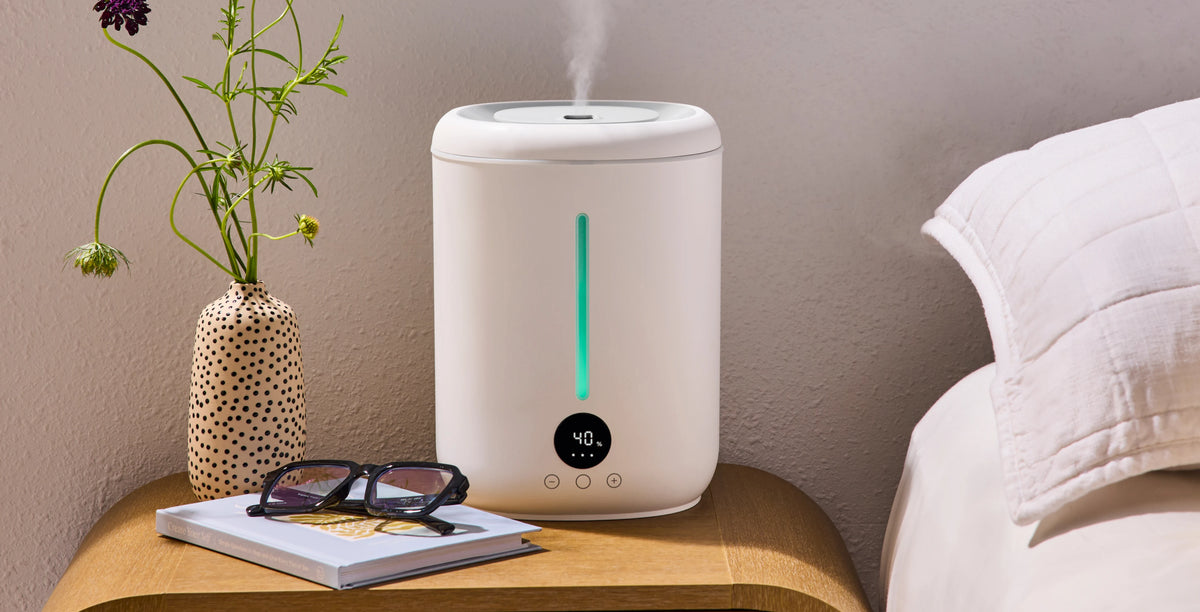
Try to keep your home’s humidity under about 50 percent. A dehumidifier can help you stay in that comfortable zone, especially in bedrooms and other rooms where you spend a lot of time. People often notice they breathe easier when the air feels balanced rather than muggy.

Tip 4: Clean Smarter, Not Harder
You do not need to deep clean every day to get relief. A simple, steady rhythm works better for most people with dust allergies.
-
Vacuum once or twice a week with a HEPA filter. HEPA filtration traps fine particles like dust mites and dander instead of blowing them back into the air.
-
Damp-dust surfaces. Using a slightly wet cloth helps pick up dust without sending it airborne the way dry dusting can.
-
Go easy on strong scents. Heavily fragranced cleaners can irritate already sensitive airways, so gentle, low scent options are often a better fit.
Tip 5: Reduce Dust Traps
Dust loves to settle where it can hide, especially in soft fabrics and cluttered corners. Making a few small storage and decor tweaks can noticeably cut down on triggers.
Store seasonal clothes, extra linens, and keepsakes in sealed plastic bins instead of cardboard. Limit throw pillows, heavy drapes, and other fabric layers in rooms where your allergies feel the worst. And if pets share your home, wash their bedding often to keep dander from building up.
Tip 6: Build an Allergy-Resistant Bedroom Routine
A calm bedtime routine can double as allergy protection, especially during peak seasons. A few habits to try:
-
Shower and change clothes before bed to rinse off dust and pollen from the day.
-
Keep pets out of the bed if possible, since fur can carry allergens into your sleep space.
-
Keep windows closed on high pollen or windy days so outdoor allergens do not mix with indoor dust.
These small routines help your bedroom feel like a true recovery zone, which is exactly what you want when allergies are trying to take over your season. Keep in mind, certain sleeping positions facilitate better breathing than others.
When to Talk to a Professional
Seasonal dust allergies can be miserable, but if your symptoms feel constant or start interfering with sleep, work, or daily life, it’s worth checking in with a doctor. Lingering congestion, frequent coughing, wheezing, or ongoing sinus pressure can signal that your allergies need more targeted support.
A professional can help you confirm what is triggering your reactions and rule out related issues like asthma or chronic sinus inflammation. They can also recommend treatment options that match your symptoms and lifestyle, whether that’s medication, allergy testing, or a longer-term management plan.
Home habits like cleaning regularly, balancing humidity, and using an air purifier for allergies can make a meaningful difference, but they work best as part of a bigger care approach when allergies are severe. If you feel stuck in a cycle of flare ups, getting expert guidance can help you breathe easier with more confidence.
Conclusion: A Seasonal Reset for Cleaner Air
Living with seasonal dust allergies can feel exhausting, but the right home habits really can shift the way you breathe and sleep. Focusing on your bedroom air, washing fabrics often, keeping humidity comfortable, and cleaning in a steady, simple way all help reduce the allergens that trigger flare ups.
Most importantly, remember that relief does not have to be complicated. When you pair everyday routines with cleaner indoor air, including leveraging the benefits of an air purifier to reduce airborne dust and dander, you give your body a better chance to settle and recover.
Season after season, small changes add up. With a little consistency, your home can feel like a place where your allergies have less power and your breathing feels easier again.
Frequently Asked Questions
How to stop being so allergic to dust?
You usually cannot stop the allergy completely, but you can reduce how strongly you react by lowering dust exposure at home and using the right medications when needed. Long-term options like allergy immunotherapy can also make your body less sensitive over time.
What is the fastest way to fix seasonal allergies?
For quick symptom relief, many people use antihistamines, while nasal steroid sprays are often the most effective for ongoing nasal symptoms. If your allergies feel severe, combining fast relief with daily control tends to work best.
How to desensitize a dust allergy?
Dust allergy desensitization is done through allergen immunotherapy, either as allergy shots or under-the-tongue tablets taken on a schedule set by your doctor. Over time, this gradually retrains your immune system to react less.
What is the best allergy relief for dust?
The best relief usually comes from a mix of reducing dust mites in your home and using doctor-recommended treatments like antihistamines or nasal sprays. If symptoms persist, an allergist can help tailor a plan and discuss immunotherapy.


