


Key Takeaways
-
Poor indoor air quality, including dust, allergens, VOCs, and airborne pollutants, can irritate the airways and contribute to snoring.
-
Humidity imbalance, whether air is too dry or too moist, can inflame nasal passages and throat tissue, making snoring worse.
-
Research links habitual snoring to elevated exposure to air pollutants like PM2.5 and nitrogen dioxide.
-
Air purifiers and humidifiers can work together to address the environmental triggers that make snoring more likely.
-
Molekule's PECO technology doesn't just trap pollutants, it destroys them at a molecular level, removing one of the most common bedroom snoring triggers at the source.
You wake up exhausted. Your partner nudges you again. Your snoring was loud last night, and neither of you got real rest. You've tried different pillows. You've adjusted your sleep position. But what if the problem isn't how you're sleeping, it's what you're breathing?
Most people assume snoring is purely a physical issue: the shape of the jaw, weight, or alcohol. And while those factors do play a role, the quality of the air in your bedroom is a frequently overlooked contributor. Dust, allergens, VOCs, dry air, and airborne pollutants can all irritate your respiratory system in ways that make snoring more likely or significantly worse.
The good news is that your indoor air environment is something you can actually control. Tools like an air purifier or a humidifier can make a meaningful difference in what you breathe during those critical hours of sleep. Here's what the science says about the connection between air quality and snoring, and what you can do tonight to start making a difference.
How Air Quality Affects the Airways During Sleep
When you fall asleep, your muscles relax, including the soft tissue in your throat and nasal passages. For snoring to occur, something has to partially obstruct the airway enough to cause that tissue to vibrate as air passes through. Airborne irritants like dust, pet dander, and mold spores can cause inflammation and congestion, making it harder to breathe freely at night.
That inflammation is key. When pollutants are inhaled, the body mounts a defensive response: the mucous membranes swell, nasal passages constrict, and the throat becomes more reactive. The result is a narrowed airway: precisely the condition that turns quiet breathing into snoring.
Inhaling polluted air can result in upper airway irritation and swelling, which causes restricted breathing. For people who already have some anatomical predisposition to snoring, even a small amount of additional airway inflammation from poor air quality can be enough to push them over the edge. And for those who don't, prolonged, nightly exposure to indoor pollutants can create the conditions for snoring to develop over time.
The Role of Specific Pollutants
Not all air quality issues are equal when it comes to snoring. Some pollutants are particularly problematic:
Particulate Matter (PM2.5)
Fine particles from traffic, cooking, candles, cleaning products, and more are small enough to travel deep into the respiratory tract. Research has found that people exposed to high concentrations of nitrogen dioxide and low temperatures were more likely to snore. PM2.5 and nitrogen dioxide are two of the most pervasive indoor and outdoor pollutants, and both have been tied to disrupted nighttime breathing.
Allergens: Dust Mites, Mold, and Pollen
These are among the most common bedroom air quality culprits. Dust mites thrive in mattresses, bedding, and carpets. Mold spores circulate invisibly. Pollen drifts in through open windows.
Poor air circulation traps allergens, leading to congestion and inflammation. For allergy sufferers especially, the bedroom, the place where you spend roughly a third of your life, can be a concentrated exposure zone.
VOCs and Chemical Irritants
Volatile organic compounds from furniture, paint, cleaning supplies, and synthetic fabrics off-gas continuously. While their impact on snoring is less studied than particulate matter, VOCs contribute to general airway irritation and can worsen respiratory sensitivity over time, making the airways more reactive and more prone to the kind of swelling that fuels snoring.
Humidity: The Double-Edged Variable
Air moisture levels have a direct and measurable impact on snoring, but the relationship is more nuanced than "dry air bad." Both high and low humidity are linked to snoring, because air that's too dry or too humid interferes with the respiratory system, which can trigger or worsen snoring.
When Air Is Too Dry
When the air in your bedroom lacks moisture, it can lead to irritation and increased friction when breathing, and a greater chance of tissues vibrating during sleep. Dry air is particularly common in winter, when heating systems strip moisture from indoor environments. The result: dried-out nasal passages, a scratchy throat, and a higher likelihood of snoring.
When Air Is Too Humid
On the other end of the spectrum, excess humidity creates the perfect breeding ground for dust mites and mold, two of the most potent snoring triggers. Heat combined with high humidity increases inflammation in the body, which can cause the airways to swell, constricting air movement and causing snoring.
The ideal indoor humidity range sits between 30% and 60%, generally around 40%–60% in summer and 30%–50% in winter. Staying within this range reduces both the drying and the biological growth that fuel nighttime breathing problems.
What This Means for Your Bedroom
Your bedroom deserves more air quality attention than any other room in your home. It's where you spend the most time in a single stretch, breathing continuously for seven or eight hours. Any pollutants present, whether from dust, off-gassing materials, pet dander, or dry air, are having a sustained impact on your respiratory system every single night.
Filtering out pollutants with an air purifier (for example, an air purifier for pet hair) can help remove many contaminants, especially particulates. But standard air filters only trap what flows through them, and over time, a saturated filter can become a reservoir for the very pollutants it collected. That's where Molekule takes a fundamentally different approach.
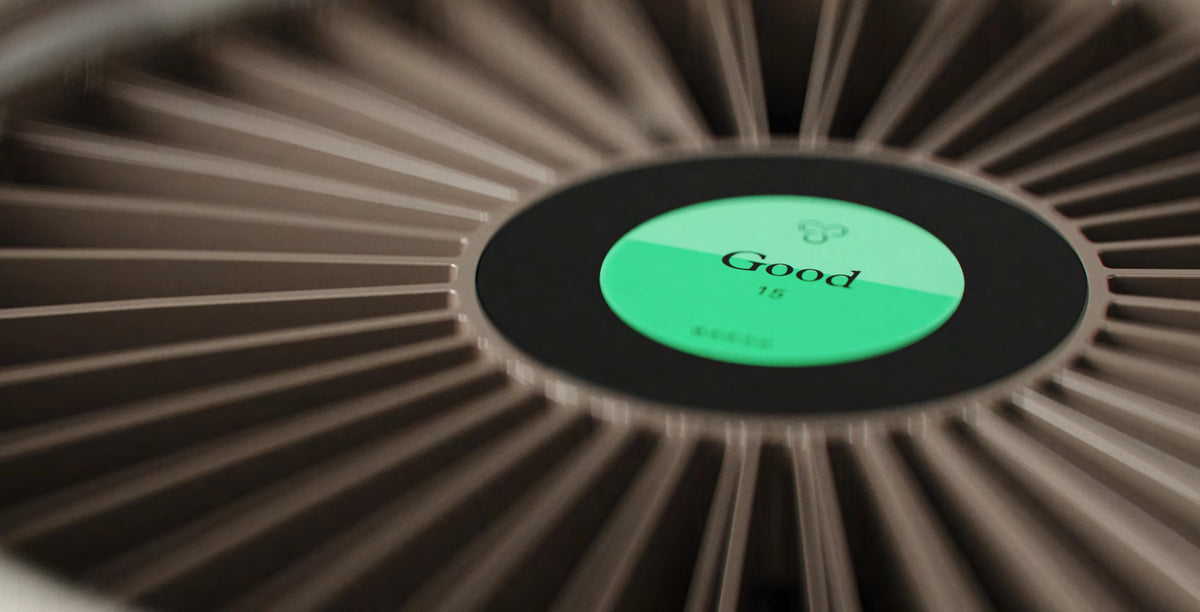
Molekule's patented PECO (Photo Electrochemical Oxidation) technology doesn't just capture pollutants, it destroys them at a molecular level. Using light-activated catalytic chemistry, PECO breaks down allergens, VOCs, mold, bacteria, and viruses that pass through the filter, rather than simply accumulating them. We have air purifiers for VOCs, as well as air purifiers for mold and air purifiers for viruses.
The PECO-HEPA Tri-Power filter adds three layers of protection: PECO destruction, HEPA capture, and activated carbon for gases and odors, giving your bedroom air a level of clean that no trap-only filter can match.
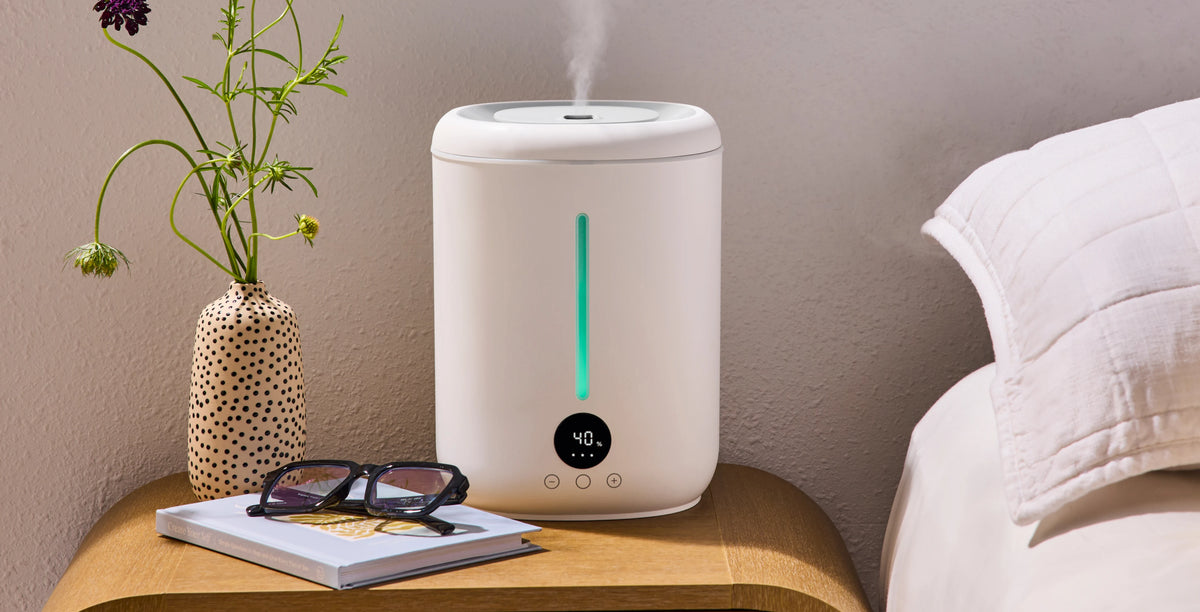
Pairing an air purifier with a smart humidifier can give you control over both dimensions of your sleep environment, so the air in your bedroom is not only clean, but balanced.
Other Factors to Consider
Snoring can also be influenced by weight, alcohol consumption, sleep position, nasal anatomy, and underlying conditions like sleep apnea. If you or a partner snores heavily and consistently, it's worth speaking with a healthcare provider to rule out obstructive sleep apnea, which can have serious cardiovascular consequences if left untreated.
That said, improving your bedroom's air quality is a meaningful, low-risk first step, and for many people, it makes a noticeable difference on its own. It costs nothing to close the window during the high-pollen season, and investing in a quality air purifier and humidifier is one of the most impactful changes you can make for your nightly breathing.
Frequently Asked Questions
Can poor air quality really cause snoring?
Yes, it can be a contributing factor. Airborne pollutants and allergens irritate and inflame the airways, narrowing the passages through which air flows during sleep and increasing the likelihood of the tissue vibrations that produce snoring.
What humidity level is best for reducing snoring?
Most experts recommend keeping indoor humidity between 30% and 50%. Air that is too dry can irritate and inflame nasal passages, while air that is too humid promotes dust mites and mold, both of which are known snoring triggers.
Does an air purifier help with snoring?
An air purifier can help by removing the allergens, dust, and particles that inflame the airways and contribute to nighttime congestion. Molekule's PECO technology goes a step further by destroying these pollutants rather than simply trapping them on a filter.
What indoor pollutants are most linked to snoring?
Dust mites, mold spores, pet dander, pollen, fine particulate matter (PM2.5), and nitrogen dioxide are among the pollutants most associated with airway irritation and sleep-disordered breathing.
Should I use both an air purifier and a humidifier in my bedroom?
For most people, yes, especially in winter. An air purifier addresses particulates, allergens, and VOCs, while using a humidifier in winter ensures the air isn't too dry, which on its own can irritate throat and nasal tissue. Together, they address the two most common environmental triggers for snoring.
When should I see a doctor about snoring?
If snoring is loud, frequent, and accompanied by gasping, choking, or excessive daytime fatigue, it may be a sign of obstructive sleep apnea, which requires medical evaluation. Improving air quality can help with mild, environmentally driven snoring, but persistent or severe snoring warrants a conversation with a healthcare provider.


