


Key Takeaways
-
Pet dander is made up of microscopic skin flakes shed by animals, and it clings to soft surfaces like bedding, pillows, and mattresses where you sleep every night.
-
Even pet owners without diagnosed allergies can experience disrupted sleep from dander-related airway irritation and inflammation.
-
Dander accumulation in the bedroom can trigger symptoms including congestion, sneezing, itchy eyes, and worsened asthma that interfere directly with sleep quality.
-
Standard HEPA filters trap pet dander particles, but Molekule's PECO technology goes further by destroying allergens at the molecular level rather than allowing them to accumulate on a filter.
-
A combination of regular cleaning habits and a quality air purifier running in the bedroom is the most effective strategy for reducing dander exposure while you sleep.
Pet dander is one of the most pervasive and persistent indoor allergens in the world. Unlike pet hair, which is visible and easy to spot on a dark couch cushion, dander is invisible to the naked eye. It floats through the air, settles into soft surfaces, and lingers in your bedroom long after your pet has left the room. And when you're sleeping in the middle of it for seven or eight hours a night, the effects on your rest can be significant.
This doesn't mean you have to choose between your pet and a good night's sleep. There are strategies and tools you can use, like an air purifier for pet hair, to improve your sleeping environment. Let’s review what pet dander actually is, what it does to your body while you sleep, and how to address it to make a real difference to your sleep.
What Is Pet Dander, and Why Is It So Hard to Eliminate?
Pet dander is not the same as pet hair, though the two often travel together. Pet dander is one of the most common allergens and can be shed from any animal that has fur, hair, or feathers. These particles are tiny flakes of dead skin, and they carry proteins that trigger immune responses in sensitive individuals.
What makes dander particularly difficult to deal with:
-
Its size and behavior. The particles are extremely lightweight and can remain airborne for extended periods before settling. Animal allergens are microscopic and jagged in shape, making them easy to become airborne and stick to furniture, bedding, fabrics, and other surfaces.
-
Once particles land on a surface, they cling. Bedding, pillowcases, mattresses, carpets, and upholstered furniture all act as dander reservoirs, slowly releasing particles back into the air as you move around and breathe throughout the night.
-
No cat or dog breed is truly hypoallergenic. All pets produce allergenic proteins in their skin, saliva, and fur, though some so-called hypoallergenic pet breeds may produce lower levels of certain allergy-inducing proteins and may be better tolerated by some allergy sufferers. But no breed is entirely free of dander.
How Dander Affects Your Body While You Sleep
When you inhale pet dander, your immune system treats the proteins it contains as foreign invaders. Your immune system identifies these proteins as a threat and triggers the release of histamine, a chemical responsible for allergy symptoms, which causes smooth muscle contraction and restricts airways, making it difficult to breathe.
During sleep, this chain of events manifests in ways that directly disrupt rest:
-
Congestion forces mouth breathing, which dries out your throat and increases your risk of snoring.
-
Itchy eyes and skin can pull you out of deeper sleep stages.
-
Postnasal drip causes coughing and throat irritation.
-
And for those with asthma, nighttime is already the most vulnerable period, as research shows that allergic rhinitis is one of the leading causes of sleep disruptions, with individuals with allergies more than twice as likely to have insomnia than those without.
Why Dander Concentrates Where You Sleep
The bedroom is the single most important room to address when it comes to pet dander, and it tends to be the most heavily contaminated one in pet-owning households.
When your pet sleeps in your bed, dander accumulates in your bedding, pillows, and mattress, and allergens can trigger flare-ups such as sneezing, runny nose, wheezing, or itchy eyes. Blankets, pillows, and mattresses trap pet dander and other allergens, creating sustained exposure throughout the night.
What makes this especially challenging is that dander doesn't disappear when your pet leaves the room. Pet dander can remain in a home for up to six months after a pet has been removed entirely. If your pet has ever had access to your bedroom, dander is there whether you can see it or not.
Dander Plus Other Bedroom Allergens
Pet dander rarely operates alone. It tends to arrive alongside and interact with other bedroom allergens in ways that compound the problem.
-
Dust mites: These feed on shed skin cells, including those from pets. A bedroom with high dander levels is also a thriving environment for dust mites, which are themselves a potent allergen.
-
Pollen: Long-haired pets can transport pollen inside during high pollen seasons like spring and fall, depositing them in your bedroom and bedding.
-
Mold: Humid environments, particularly in bathrooms adjacent to bedrooms or in poorly ventilated spaces, can support mold growth. Mold spores circulate through the air and land on the same surfaces where dander collects, making an air purifier for mold a valuable addition to a bedroom.
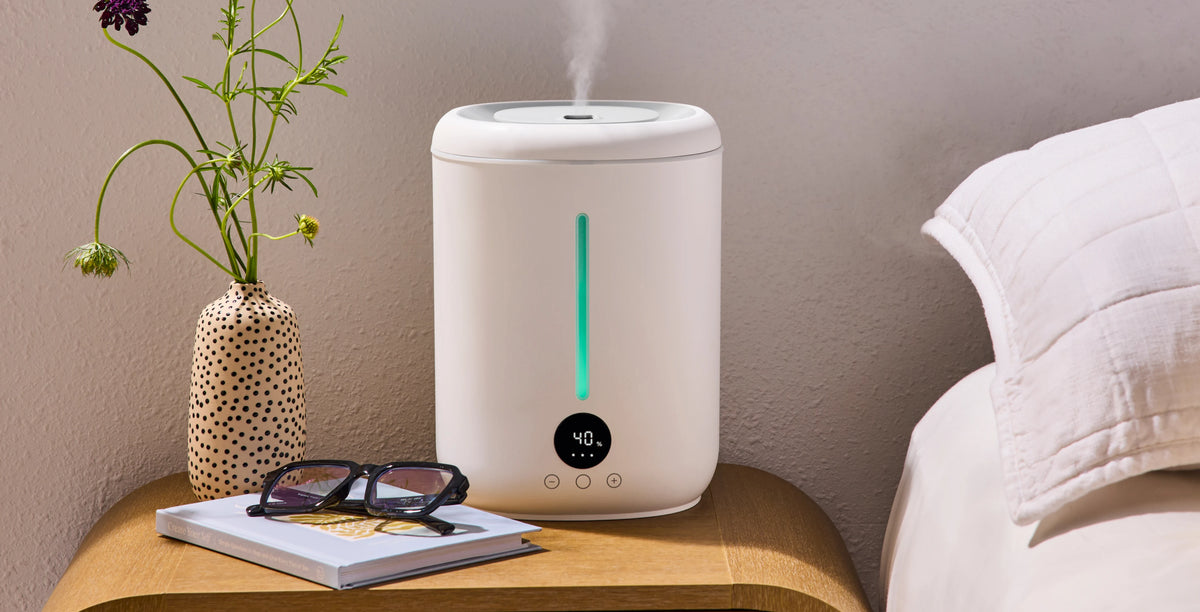
On the other hand, if your home is too dry and you find that an abundance of pet hair is contributing to static electricity, you might try raising the relative humidity in your bedroom with a humidifier.
What You Can Actually Do About It
The good news is that pet dander is manageable. It requires a consistent, layered approach rather than any single fix, but the results are real and noticeable.
Clean Soft Surfaces Frequently
Pet dander sticks to soft fabrics like bedding and pillows. Washing sheets, pillowcases, and blankets regularly in hot water breaks down the dander proteins and removes the accumulation that builds up between washes. Allergen-proof covers on pillows and mattresses create a physical barrier that prevents dander from penetrating into the materials themselves.
Groom Your Pet Consistently
Bathing your pet at least once a week can reduce the amount of dander on its hair and skin. Regular brushing, done outside the bedroom or outdoors when possible, removes loose dander before it has a chance to drift into your sleeping environment.
Establish Boundaries
Designating the bedroom as a pet-free zone is one of the most effective strategies for reducing nighttime allergy symptoms and improving sleep quality. If keeping pets out of the bedroom entirely isn't something you're willing to do, limiting them to their own designated sleep surface in the room can still meaningfully reduce your direct exposure.
Use an Air Purifier Designed to Handle Biological Allergens
Standard HEPA filtration captures pet dander particles as they pass through the filter, but it has a limitation: particles that have settled on surfaces aren't captured until they become airborne again, and a filter loaded with accumulated allergens can become less effective over time.
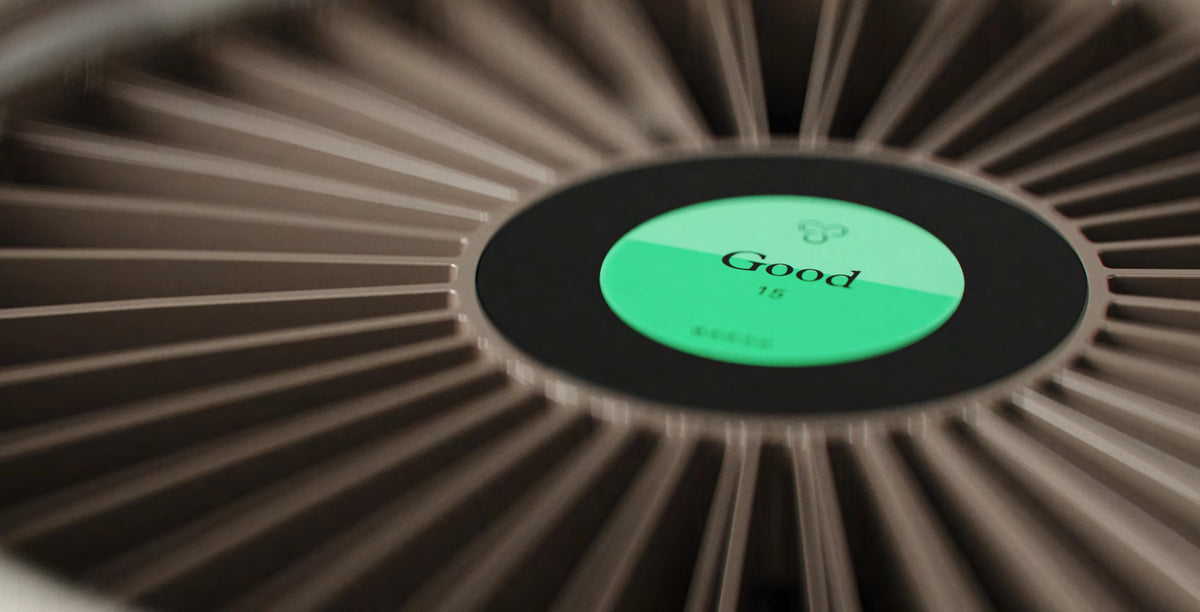
Rather than simply trapping dander particles on a filter surface, Molekule's PECO technology uses light-activated catalytic chemistry to destroy allergens at the molecular level as they pass through. This means the proteins that trigger your immune response aren't just held in place, they're broken down and neutralized.
Conclusion
The combination of consistent cleaning, smart pet habits, and a genuine air purification solution running through the night gives you the best possible chance at sharing your home with a pet without paying for it in lost sleep. PECO-based technology brings something to that equation that no standard filter can: the ability to actually destroy the allergens responsible for your symptoms, rather than simply collecting them until the next filter change.
Frequently Asked Questions
Does pet dander affect sleep even if I'm not allergic to my pet?
Yes, it can. Many people have subclinical sensitivities that don't produce obvious allergy symptoms during the day but cause enough airway irritation during extended nighttime exposure to disrupt sleep quality through congestion, mouth breathing, or mild inflammation.
How long does pet dander stay in a bedroom?
Pet dander is extremely persistent and can remain at elevated levels in a room for months, even after a pet is no longer allowed in that space. Regular cleaning and air purification are necessary to reduce levels meaningfully.
Can an air purifier really help with pet dander?
Yes, particularly one running continuously in the bedroom. Air purifiers with HEPA filtration can help remove airborne allergenic proteins, and technology like PECO goes further by destroying the allergen proteins rather than just trapping them, which means they cannot accumulate on the filter or be re-released into the air.
Should I keep my pet out of the bedroom entirely?
For people with significant pet allergies or consistently poor sleep, keeping the bedroom entirely pet-free is the most effective intervention. For others, limiting pets to their own sleep surface within the room and running a quality air purifier can provide meaningful relief without requiring full separation.
Washing bedding at least once a week in hot water is recommended to reduce allergens. If your pet is on the bed regularly, washing twice a week is a more appropriate minimum.


