


Key Takeaways
-
Opening windows in summer can invite dust, pollen, and outdoor pollutants into your home, often making indoor air quality worse rather than better.
-
Summer humidity creates ideal conditions for dust mites and mold to thrive, compounding the indoor allergen burden.
-
Timing matters: early morning and late evening are generally the best windows for ventilation when outdoor pollutant levels are lower.
-
Checking the Air Quality Index before opening windows is one of the simplest and most effective habits you can build.
-
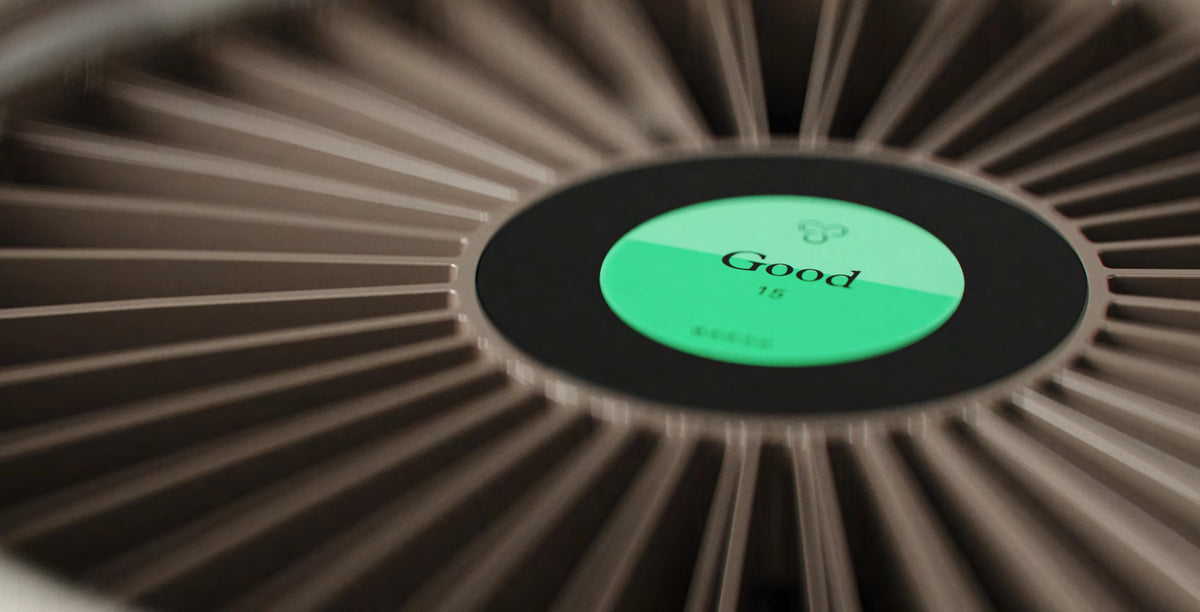
Air purifiers with true particle filtration can help manage the dust and allergens that inevitably find their way inside, whether windows are open or closed.
Summer is one of the most challenging seasons for indoor air quality. High pollen counts, elevated humidity, increased dust activity, ground-level ozone, and wildfire smoke in many regions all converge to make the warm months a gauntlet for anyone paying attention to what they breathe. And unlike winter, when most people instinctively reach for a humidifier or air purifier to manage their indoor environment, summer often goes unaddressed simply because the weather feels more forgiving.
Understanding what actually enters your home when your windows are open, and when ventilation helps versus hurts, gives you far more control over your indoor environment than simply following the instinct to let in fresh air.
What Comes in When You Open a Window
Opening your windows for as little as five minutes a day can improve the air quality by letting out stale air and decreasing the concentration of indoor pollutants. The problem is that ventilation is a two-way street.
The U.S. Environmental Protection Agency says indoor air can be two to five times more polluted than outdoor air under normal circumstances. What feels fresh might actually bring in things you do not want, like smoke, dust, or pollen. In summer specifically, the list of outdoor pollutants that can drift through an open window is long.
-
Pollen: Summer is peak season for grass pollen and many weed pollens, following on the heels of spring tree pollen. Once pollen enters the home, it settles on furniture, flooring, and bedding, where it continues to trigger symptoms long after the windows are closed.
-
Outdoor Dust and Particulate Matter: In urban and suburban environments, outdoor dust carries additional components, including vehicle exhaust particles, road grit, and industrial emissions that are far more harmful than ordinary household dust. Consider an air purifier for smoke if cigarette smoke or wildfire smoke is common in your environment.
-
Ground-Level Ozone: Summer heat and sunlight drive chemical reactions in the atmosphere that produce ground-level ozone, a respiratory irritant that peaks during hot afternoons. The EPA's ozone health guidance recommends scheduling outdoor and ventilation activities in the morning when ozone is typically lower.
-
Humidity: When humid summer air floods an air-conditioned interior, it raises moisture levels in ways that encourage biological growth and make existing allergens more potent.
The Humidity and Dust Mite Connection
One of the less visible but most important summer air quality issues is the relationship between humidity and dust mites, microscopic organisms that feed on shed skin cells and flourish in warm, humid conditions. They produce waste proteins that are among the most potent indoor allergens known, triggering congestion, sneezing, asthma flares, and disrupted sleep.
Summer indoor humidity levels typically rise when windows are left open, creating an environment where dust mites, mold, and other allergens thrive. According to the American Lung Association, humidity is the single most important factor in determining whether a house has high levels of dust mites. When open windows raise indoor humidity during summer, they effectively create a better habitat for these organisms to multiply.
An air purification system for dust or an air purifier for mold can help eliminate dust mites, as it removes a major food source and prevents the spread of mold, making the environment less hospitable to the dust mites.
When Opening Windows Actually Helps
None of this means your windows should stay sealed all summer. Strategic ventilation remains genuinely valuable. The key is timing and conditions.
-
Early Morning: Early morning is often the best time to open windows. The air is usually cooler and cleaner before 10 a.m., which helps flush out indoor air without bringing in too many pollutants from outside. Ozone levels are lower, temperatures have not yet driven peak pollutant formation, and many plants have not yet begun peak pollen release for the day.
-
After Rainfall: Rain can help settle dust and wash away outdoor particles. Once the rain stops, it is a great time to open windows and bring in air that feels cleaner and fresher. A good rainstorm essentially scrubs the outdoor air, temporarily reducing pollen and particulate levels and making brief ventilation genuinely beneficial.
-
Late Evening: After 9 p.m., outdoor temperatures drop. Letting fresh air in at night can help cool down rooms and remove heat or stuffiness built up during the day, provided humidity levels are not elevated and you do not live near a high-traffic road where nighttime particulate levels may rise.
When to Keep Your Windows Closed
People with seasonal allergies often fare better in a dry, air-conditioned environment that shuts out pollen and dust. On days when outdoor humidity is above 65 percent, keeping your windows closed is recommended, as letting in humid air creates conditions that encourage mold and dust mite growth.
How to Check Before You Open Your Windows
The single most useful habit for managing summer ventilation is checking the Air Quality Index, or AQI, before opening your windows. The AQI is a daily measure of outdoor air quality published by the EPA and widely available through weather apps and dedicated air quality platforms like AirNow.gov.
For PM2.5 from sources like wildfire smoke or traffic, many practitioners recommend closing windows above an AQI of around 25 to 50 to limit indoor particle levels. For the general healthy adult population, an AQI below 100 is typically considered acceptable for brief ventilation periods, though people with asthma, allergies, or respiratory conditions should be more conservative.
Managing Dust Once It's Inside
Even with careful window habits, some outdoor dust and allergens will always find their way into your home through doors, clothing, and the small gaps in any building envelope. The goal isn't to achieve zero infiltration, it's to manage what gets in effectively.
-
Clean Strategically: Vacuuming with a HEPA-equipped vacuum regularly prevents settled dust from being redistributed into the air. Microfiber cloths trap particles rather than pushing them around. Wash your bedding weekly in hot water to eliminate both settled dust and the dust mites that thrive in it.
-
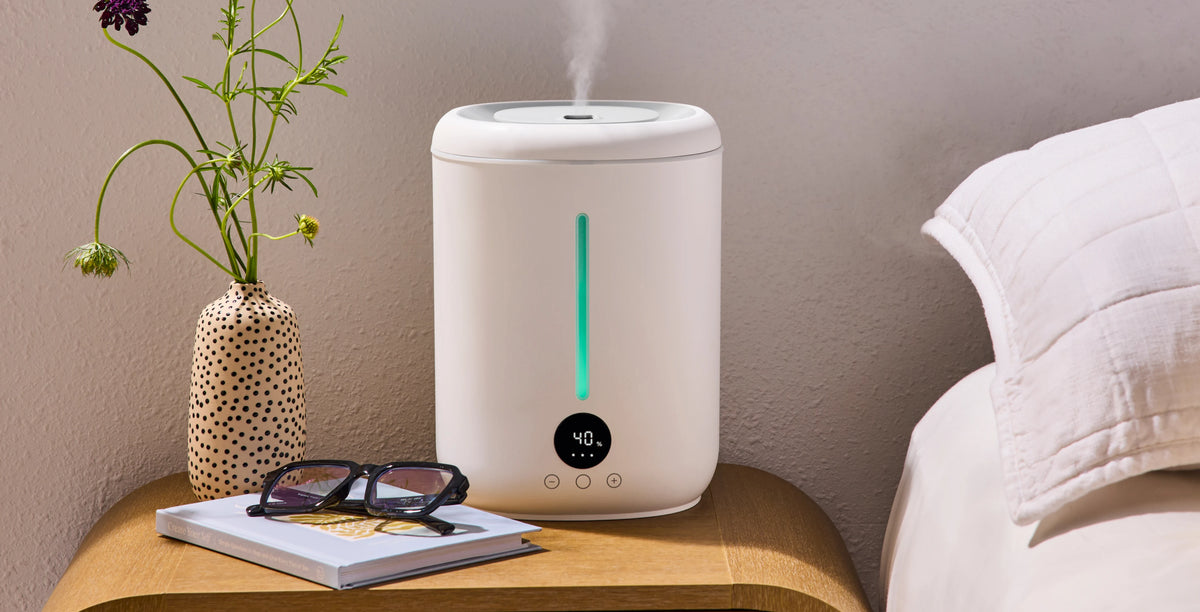
Manage Humidity Actively: Running your air conditioning during high humidity stretches keeps indoor moisture low enough to discourage dust mite proliferation and mold growth. A dehumidifier in particularly damp areas of the home, like a basement or laundry room, provides additional control. On the flip side, using a humidifier can help raise your relative humidity if you find your air is too dry.
-
Run an Air Purifier Continuously: An air purifier running consistently in the main living areas and bedroom addresses airborne particles that neither cleaning nor window habits can fully resolve. The American Lung Association recommends air cleaning as one of three core strategies for improving indoor air quality, alongside source control and ventilation.
Conclusion
Opening windows in summer is not inherently bad for your indoor air quality, but it is rarely the straightforward improvement it feels like. The season brings a convergence of outdoor pollutants, including pollen, particulate matter, ozone, and humidity that can make indoor air meaningfully worse when ventilation is poorly timed. The good news is that being strategic about when you open windows, checking the AQI regularly, and running a quality air purifier continuously gives you genuine control over what you and your family breathe at home, even in the height of summer.
Frequently Asked Questions
Does opening windows in summer improve or worsen indoor air quality?
It depends on the outdoor conditions at the time. In good conditions, such as early morning after rainfall with a low AQI, opening windows genuinely improves indoor air by flushing out stale air and indoor pollutants. In poor conditions, such as high pollen counts, elevated ozone, or high humidity, it can introduce more pollutants than it removes.
What is the best time of day to open windows in summer?
Early morning before 10 a.m. is generally the best time, when ozone and pollen levels are lower and temperatures have not yet peaked. Late evening after 9 p.m. is also a reasonable window in many locations, provided outdoor humidity is not elevated.
How does summer humidity affect indoor dust levels?
High indoor humidity creates ideal conditions for dust mites to multiply and for mold spores to become more active. Both are potent allergens. Keeping indoor humidity between 30 and 50 percent, typically through air conditioning or a dehumidifier, suppresses this biological activity and reduces the overall allergen burden in the home.
What is the AQI and how should I use it?
The Air Quality Index is a standardized daily measure of outdoor air quality issued by the EPA. It runs from 0 to 500, with lower numbers indicating cleaner air. Checking the AQI before opening windows takes seconds and gives you a reliable signal about whether ventilation is likely to help or harm your indoor air quality that day.
Can an air purifier help with summer dust from open windows?
Yes. An air purifier running continuously captures pollen, dust particles, and other allergens that enter through windows before they settle on surfaces. The American Lung Association recommends air cleaning as a complement to ventilation for maintaining healthy indoor air, particularly when outdoor conditions make ventilation a trade-off.
Should I run my air conditioner and keep windows closed all summer?
Not necessarily all summer, but air conditioning with closed windows is often the better choice during peak heat, high humidity days, and periods of elevated pollen or pollution. Strategic ventilation during favorable conditions combined with consistent air purification gives you the benefits of both fresh air and clean indoor air without having to choose between them.


