

Key Takeaways
-
Long-term exposure to fine particulate matter (PM2.5) has been linked to accelerated biological aging, reduced brain volume, and a higher risk of dementia.
-
Air pollution and psychological stress compound each other at the cellular level. Both cause DNA methylation changes that accelerate how quickly your cells age.
-
PM2.5 and VOCs penetrate the skin and deplete collagen and elastin, speeding up visible aging beyond what time alone would produce.
-
Indoor air is often two to five times more polluted than outdoor air, according to the EPA, making home air quality one of the most important variables most people ignore.
-
Antioxidant-rich foods, daily AQI monitoring, bedroom air filtration, and active indoor air purification are the most practical steps you can take to reduce your exposure.
-
The air you breathe every night while you sleep directly affects your body's ability to repair itself.
We talk about sleep, nutrition, exercise, and stress management. We track our steps and heart rate. But we rarely think about the 20,000 breaths we take every single day, and what is actually in the air we are breathing.
A growing body of research shows that air quality is not just a comfort issue. It is a direct input into how your body ages at the cellular level, every single day. Investing in a quality air purifier is one of the most direct steps you can take toward protecting your long-term health.
What Does Air Pollution Actually Do to the Body?
When you breathe in fine particulate matter, the microscopic particles known as PM2.5, are small enough to pass through lung tissue and enter your bloodstream. From there they can reach your brain, your heart, and virtually every organ in your body.
Once inside, they trigger something called oxidative stress. Your body produces free radicals naturally during normal metabolism, but when pollutant exposure is high, those free radicals multiply faster than your body can neutralize them. The result is cellular damage that compounds over time. As the EPA documents, long-term PM2.5 exposure is linked to cardiovascular disease, respiratory illness, decreased lung function, and premature death.
A large prospective study on air pollution and dementia found that PM2.5 exposure was associated with measurable reductions in brain volume and a meaningfully higher risk of dementia over time. People in the highest pollution exposure groups consistently showed more markers of biological aging than those with lower exposure.
The mechanism researchers propose is straightforward: air pollution accelerates biological aging, which degrades brain structure over time, which raises the risk of neurodegenerative disease. It is a slow process, which is part of what makes it so easy to ignore.
Air Pollution and Oxidative Stress
Air pollution also creates oxidative stress, which produces similar cellular harm to the kind of psychological stress we are more familiar with.
Research from the VA Normative Aging Study, one of the longest running studies of aging in American men, found that exposure to gaseous pollutants including ozone and nitrogen dioxide was directly linked to changes in DNA methylation, a key marker of how quickly your cells are biologically aging. Men with higher pollution exposure showed significantly more of these epigenetic changes than those with lower exposure.
What that means practically is that air pollution and everyday stress are not independent problems. They stack on each other.
Your body's cellular repair systems work best when stress is low and occasional. Constant chemical stress from pollutants, on top of ordinary life stress, can overwhelm those systems before they get a chance to do their job. In certain areas of the globe, air pollution can be worse for an individual’s health than smoking, because at sustained high exposure, the cellular damage accumulates in comparable ways to tobacco smoke.
What Pollution Does to Your Skin
Your skin is your largest organ and it takes the most direct hit from airborne pollutants. There are two kinds of skin aging. Intrinsic aging is the natural process everyone goes through. Extrinsic aging is driven by environmental factors, and air pollution is one of the most significant contributors to it.
A 2022 NIH review found that air pollutants, particularly PM2.5, push skin cells into a damaged, dysfunctional state that accelerates visible aging. Ozone and VOCs contribute as well. Heavy metals like lead and mercury can attach to particulate matter and enter the body through the skin, where they generate the same free radical imbalance that depletes collagen and elastin over time. The result is earlier wrinkles, uneven tone, and loss of the structural integrity that keeps skin looking healthy.
VOCs are a particularly hidden contributor to skin damage because they come from everyday household items including furniture, paint, and cleaning products. As you’ll learn, home air quality can negatively impact your skin and overall health, even inside the home.
Indoor Air Is Not a Safe Refuge
A common assumption is that staying indoors protects you from pollution. It does not, at least not by default. According to the EPA, indoor air is often two to five times more polluted than outdoor air. The sources are of course different but the health effects are comparable.
Common indoor pollutants include VOCs from furniture, flooring, paint, and cleaning products, cooking smoke, mold spores, and particles that drift in from outside and concentrate because of poor ventilation. The average American spends more than 90 percent of their time indoors, which makes indoor air quality arguably the more important variable for most people.
NIH research on indoor air pollution has linked chronic household pollution exposure to elevated inflammation, oxidative stress, and impaired respiratory function over time. The same biological mechanisms that outdoor pollution triggers play out just as readily indoors, which is why it’s beneficial to use an air purifier and other air quality products to protect our health while indoors.
What You Can Actually Do
Eat plenty of antioxidant-rich foods. Antioxidants help your body neutralize free radicals. Fruits, vegetables, legumes, salmon, and eggs are all good sources. Whole food sources work better than most supplements.
Check your local air quality daily. Resources like AirNow report AQI levels. On high-pollution days, keeping windows closed and limiting outdoor time reduces your exposure. A well-fitted mask helps when you do go out.
Think carefully about sleeping with windows open. Sleeping with a window open at night can help with ventilation and CO2 levels, but it also brings outdoor pollutants in. Checking your local AQI first makes a real difference to what you breathe during the hours your body is repairing itself.
Prioritize your bedroom air. You spend roughly a third of your life asleep, and that is when your body does most of its cellular repair. Air purifiers for the bedroom reduce the pollutant load in the space where recovery happens. A clean, well-filtered sleep environment supports every other longevity habit you are building.
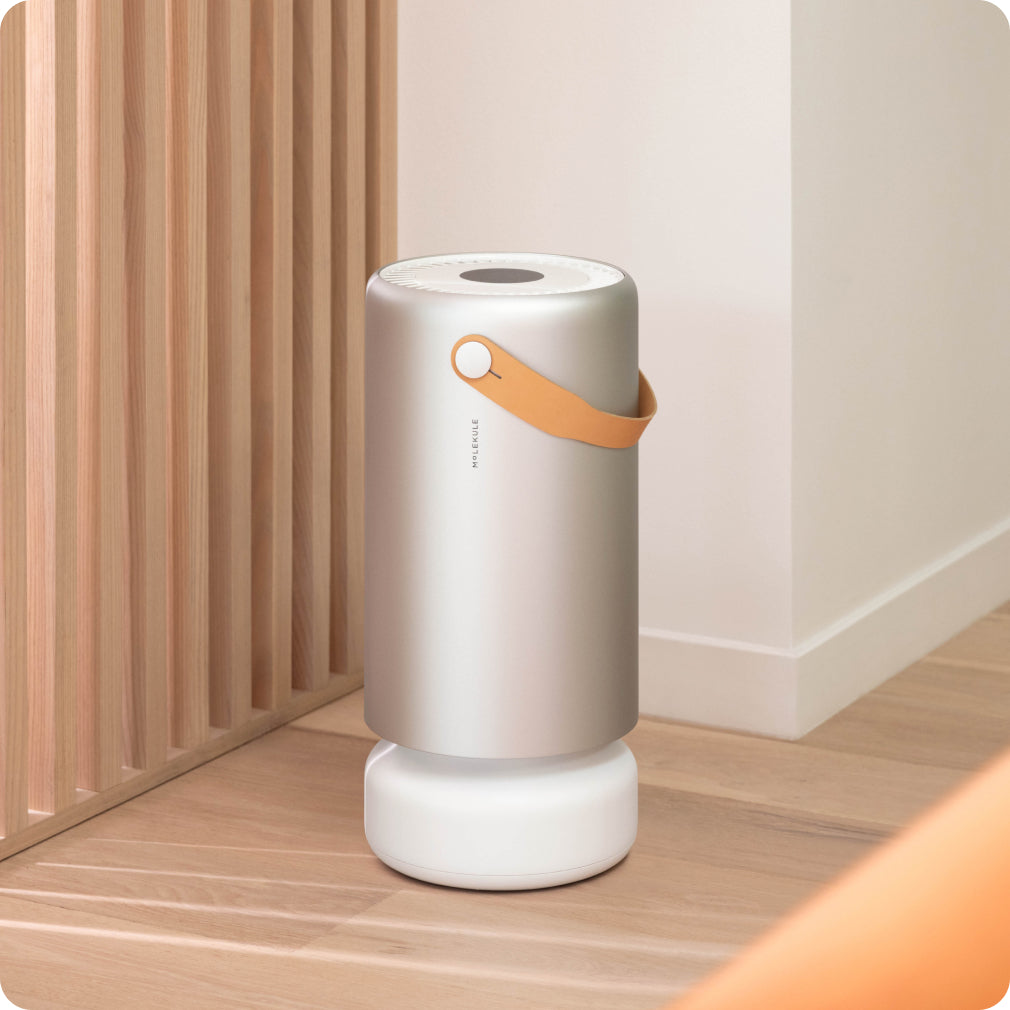
Filter your indoor air actively. Because indoor air concentrates pollutants, active air purification is one of the most direct steps you can take. Molekule's PECO technology breaks down organic pollutants like VOCs at the molecular level, while HEPA captures fine particulate matter, rather than just trapping everything in a filter.
Keep your overall stress load manageable. Because stress and air pollution compound each other biologically, reducing one reduces the impact of the other. Consistent sleep, exercise, and time in cleaner environments all help keep your body's repair systems running the way they should.
*Disclaimer: Molekule air purifiers are not intended to diagnose, treat, cure, or prevent any disease or medical condition, including those referenced in this article. The research cited reflects findings on air pollution and health outcomes generally and does not imply that any Molekule product prevents or reduces the risk of dementia, cardiovascular disease, or accelerated aging.
Frequently Asked Questions
Does air pollution really speed up aging?
Yes. Long-term exposure to PM2.5 has been shown to accelerate biological aging markers including DNA methylation changes and cellular senescence.
How does indoor air pollution affect my health?
Chronic indoor pollutant exposure has been linked to elevated inflammation, oxidative stress, and impaired respiratory function over time.
Can air pollution cause wrinkles and skin aging?
Yes. PM2.5 particles penetrate the skin and trigger oxidative stress that depletes collagen and elastin, accelerating visible aging beyond what the natural aging process alone would produce.
What is the best way to reduce air pollution exposure at home?
Using an air purifier, reducing indoor VOC sources, and monitoring your local AQI daily are the most practical steps you can take.
Does sleeping in cleaner air actually make a difference?
Yes. Sleep is when your body does most of its cellular repair, and cleaner bedroom air directly supports the quality of that recovery.