


Key Takeaways
-
“Electronic dust” is a mix of everyday household dust plus particles and chemicals that can shed from electronics.
-
The biggest concerns are not usually visible dust bunnies, but microscopic particles and chemical residues that settle on surfaces and get into the air.
-
Research shows certain flame retardants used in electronics and plastics can migrate into indoor dust and contribute to daily exposure.
-
The best protection is reducing dust at the source, cleaning in ways that do not re-aerosolize particles, and improving filtration where you spend the most time.
-
Bedrooms, home offices, and gaming rooms are common hotspots because electronics run for hours and tend to collect dust behind furniture.
If you have ever pulled a TV stand away from the wall and found a thick layer of gray dust behind it, you have seen one version of electronic dust. But what you might not realize is that the dust around electronics can be more than just lint and pet hair. It can also contain tiny particles and chemical residues that shed from plastics, circuit boards, insulation, and cables. Those particles settle on shelves, floors, and vents, then get stirred up again every time you walk through the room, turn on a fan, or run a console for hours in a closed space.
The good news is that you do not need to panic or turn your home into a sterile lab. You just need a smarter understanding of where electronic dust comes from, why it may matter for your health, and what habits actually reduce exposure over time. In most homes, the best approach is layered: cut down dust at the source, clean in ways that trap particles instead of redistributing them, and use an air purifier that reduces dust.
What Is “Electronic Dust,” Exactly?
Electronic dust is dust that accumulates around electronics and may contain a higher concentration of certain chemicals used in electronics and plastics.
Most electronic dust is made up of the same things found in general household dust, but electronics-heavy spaces can also pick up more of the following:
-
Fine plastic particles from casings and cords
-
Residues from flame retardants used in electronics and furniture materials
-
Metals and chemical additives associated with electronic components
-
Higher concentrations of fine particulate matter (especially if airflow is poor)
Researchers have long noted that indoor dust is one of the main ways people are exposed to chemical additives used in consumer products. The National Institute of Environmental Health Sciences explains that many flame retardants, for example, can leak out of products into household dust, where they may be ingested or inhaled.
Why Dust Builds Up Around Electronics
Electronics do not “create” dust in the way a dryer filter does, but they can contribute to dust accumulation in a few ways. First, heat and static attract particles. And second, electronics-heavy rooms often have poor airflow.
Many electronics generate heat and create airflow around vents. That airflow can pull dust from the surrounding room toward the device. In addition, plastic casings can develop static charge, which helps dust cling to surfaces like screens, cables, and consoles.
Gaming rooms, home offices, and media rooms often have:
-
multiple devices
-
lots of cords and clutter
-
limited floor space
-
furniture pushed against walls
-
closed doors for sound and privacy
All of these reduce airflow, allowing dust to settle and build up quickly. Dust loves hidden, undisturbed zones. Behind TVs, under desks, around power strips, and behind consoles are common dust traps. These areas are rarely cleaned, so dust layers become thicker and more concentrated over time.
Is Electronic Dust Actually Harmful?
For most people, ordinary dust is mainly a nuisance. It causes sneezing, itchy eyes, and allergy flare-ups. But electronic dust can be more complex because it can carry chemical residues and very fine plastic particles.
There are two main health concerns:
-
Respiratory irritation from dust particles, especially for people with asthma or allergies.
-
Chemical exposure from additives found in dust, including flame retardants used in electronics and plastics.
Dust particles and respiratory health
The EPA notes that indoor air can contain a mix of particles and pollutants that affect breathing and comfort, particularly for people with asthma. Dust is one of the most common irritants because it is easily stirred up and inhaled.
For people sensitive to dust, reducing airborne particulate matter can naturally help reduce congestion, coughing, and itchy eyes.
Chemical exposure through dust
Some electronics and related materials contain flame retardants, including a class called PBDEs (polybrominated diphenyl ethers). The EPA explains that PBDEs were used in a variety of products, including plastics and wire insulation, and that certain PBDE congeners are persistent and bioaccumulative, with neurobehavioral effects being a key concern.
NIEHS also notes that flame retardants can escape from products and accumulate in house dust, where exposure can happen through hand-to-mouth contact or inhalation.
Exposure for kids
Children tend to have higher exposure to dust because:
-
They play on the floor.
-
They put hands and objects in their mouths.
-
Their bodies are still developing.
This NIEHS flame retardant fact sheet explains that dust can get onto hands and food and then into the mouth, which is one reason exposure is often higher in children. That’s why it’s especially worthwhile to keep dust low in bedrooms, playrooms, and any room where kids spend hours.
Signs You Have an Electronic Dust Problem
Visual clues
-
Dust coating the back of TV screens and monitor vents
-
Dust “halos” around outlets and power strips
-
Gray buildup behind entertainment centers
-
Dust on console vents or fans
Comfort clues
-
Sneezing or congestion that worsens in your office or gaming room
-
Dry throat or irritation after long screen sessions
-
Musty or stale air in rooms with lots of electronics
Device performance clues
-
Consoles or PCs running hot
-
Fans running loudly
-
Overheating warnings
-
Dust visible in ventilation grilles
How to Reduce Electronic Dust in Your Home
-
Use a damp microfiber or electrostatic cloth when you dust, rather than ‘dry dusting,’ which just spreads dust around.
-
Vacuum with a sealed HEPA vacuum, especially behind electronics, under furniture, and along baseboards.
-
Clean device vents and fan intakes carefully with a soft brush and vacuum attachment.
-
Manage cables and clutter to eliminate dust traps and make cleaning easier.
-
Reduce dust at the source by removing shoes, using entry mats, and vacuuming entryways regularly.
-
Wash dust-trapping fabrics like curtains, blankets, and removable furniture covers on a regular schedule.
-
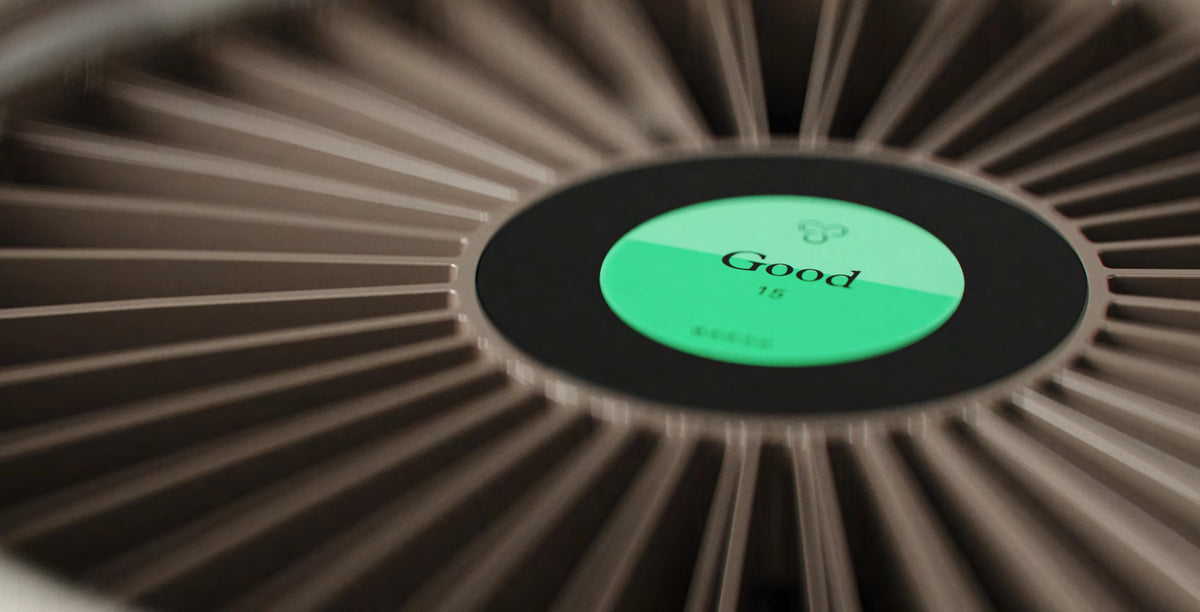
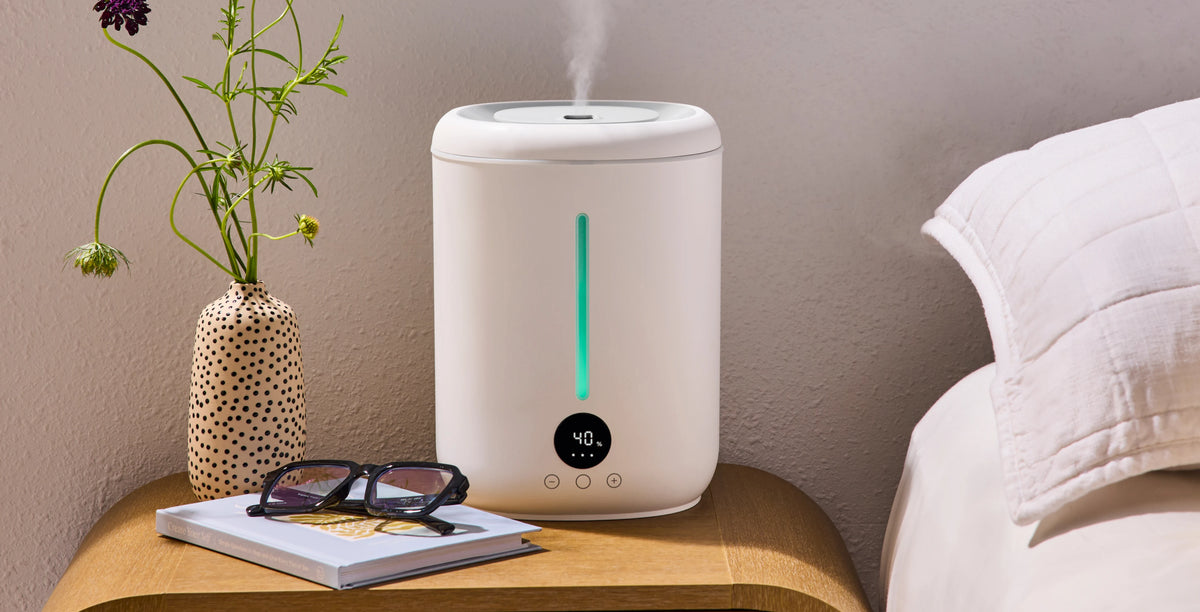
Run a HEPA-PECO air purifier regularly to help reduce airborne dust and other indoor pollutants.
A Simple Weekly Routine for Electronics-Heavy Rooms
If you want a plan you can actually follow, this one works for most households.
Weekly (10 to 15 minutes)
-
Vacuum floors and baseboards with a HEPA vacuum
-
Wipe surfaces with a damp microfiber cloth
-
Dust behind the TV stand or console area
-
Clear visible dust from device vents
Monthly (20 to 30 minutes)
-
Pull furniture away from walls and vacuum behind it
-
Wash curtains or clean blinds
-
Clean fan blades and vent grilles
-
Check HVAC filter and replace as needed
Every 3 to 6 months
-
Deep clean under desks, behind shelves, and under rugs
-
Wipe down power strips and cable hubs
-
Consider a professional HVAC inspection if dust is persistent
Frequently Asked Questions
How does electronic waste affect human health?
Improper handling or disposal of e-waste can expose people to harmful substances like lead, mercury, and flame retardants, which may affect the nervous system, kidneys, and other organs over time. The greatest risk tends to occur when e-waste is burned, dismantled, or processed without proper protection.
How does dust affect human health?
Dust can irritate the eyes, nose, and throat and may trigger coughing, wheezing, or asthma flare-ups, especially in people with allergies or respiratory conditions. It can also carry allergens, mold spores, and chemical residues that contribute to chronic indoor exposure.
How to reduce dust around electronics?
Use a damp microfiber cloth instead of dry dusting, vacuum regularly with a sealed HEPA vacuum, and clean behind and under electronics where dust collects quickly. Keeping cables organized and improving room filtration can also reduce how much dust becomes airborne and settles back onto surfaces.
What are 5 major concerns with e-waste?
Major concerns include toxic chemical exposure, air and water contamination, unsafe informal recycling practices, landfill buildup, and the loss of valuable recoverable materials like metals and rare earth elements. These issues affect both environmental health and human health, especially in communities involved in unregulated processing.


