


If you’ve ever woken up feeling stuffy, short of breath, or like your chest is working overtime, you’re not alone. Nighttime breathing problems are common, and the way you sleep can play a bigger role than you might think. When your body relaxes and you lie down, your airways can narrow or feel more congested, especially if you deal with allergies, asthma, or snoring. Experts often recommend side sleeping or resting with your upper body slightly elevated to help keep breathing easier overnight.
Pairing the right sleep position with cleaner bedroom air, like running an air purifier to reduce dust, allergens, and spores, can set you up for deeper rest and calmer breathing.
Why Breathing Problems Get Worse at Night
Breathing can feel harder at night for a simple reason: your body changes when you lie down. Gravity is no longer helping your lungs and airways stay open in the same way it does when you are upright. At the same time, your muscles relax during sleep, including the muscles that support your throat and chest. For some people, that combination can narrow the airways a bit and make airflow feel more restricted.
There are a few common culprits behind nighttime breathing trouble. Allergies and congestion often worsen in the bedroom because you are exposed to dust, pollen, or mold for hours at a time. Conditions like sleep apnea can cause the airway to soften and partially close during sleep, while asthma symptoms may flare at night due to inflammation and postnasal drip. Poor indoor air quality can also irritate your airways and make breathing feel heavy or uncomfortable once you are settled in bed.
The good news is that small changes can help. Improving bedroom air hygiene, like washing bedding regularly and keeping dust under control, can reduce triggers. Adding an air purifier can remove airborne allergens and particles that make breathing harder at night, helping your room feel fresher and your sleep feel easier.
Best Sleeping Positions for Easier Breathing
Sleeping on Your Side (Especially the Left)
Side sleeping is often the most breathing-friendly position because it helps keep your airway from collapsing or getting blocked by your tongue and soft tissues. Many people notice less snoring and fewer breathing interruptions on their side, which is why it’s commonly recommended for mild sleep apnea or nighttime congestion. Sleeping on your left side can also support digestion and reduce reflux, which may feel like easier breathing for some people.
Sleeping with Head Elevated
Raising your head and upper chest slightly can make it easier for air to move through your nose and throat. A wedge pillow, adjustable bed, or a couple of supportive pillows can help reduce airway pressure and encourage better drainage if you deal with sinus problems or asthma symptoms at night. The goal is gentle elevation, not a sharp bend at the neck.
Sleeping on Your Back with Support
Back sleeping is a mixed bag. For some people, lying flat can make snoring or sleep apnea worse because the airway is more likely to narrow. But if you like sleeping on your back, adding head and neck support can help keep your airway more open and may ease nasal congestion. If you snore heavily or suspect sleep apnea, side sleeping is usually a better choice.
Avoid Sleeping on Your Stomach
Stomach sleeping can twist your neck, strain your back, and make your chest feel compressed. Even if it seems to reduce snoring for a few people, it is often less restful overall and can make breathing feel restricted. If you wake up sore or short of breath on your stomach, try shifting to your side with a supportive pillow.

Other Ways to Improve Nighttime Breathing
Small changes to your sleep environment can add up to a big difference in how you breathe at night. Think of these as simple supports that help your body do what it wants to do naturally while you rest.
-
Purify the air. Bedrooms can collect dust, pollen, pet dander, and other particles that irritate your airways. Running an air purifier for pet hair can help reduce those triggers, so the air you breathe overnight feels cleaner and easier on your system. Cleaner air can also help reduce snoring.
-
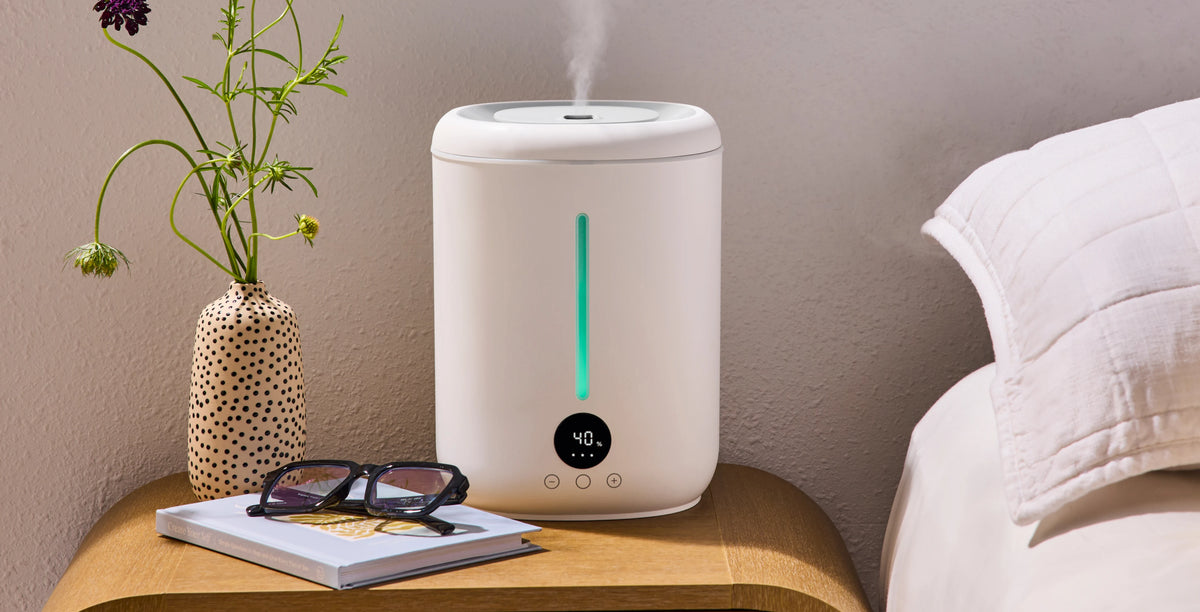
Keep humidity balanced. Air that is too dry can irritate your nose and throat, while air that is too humid can encourage allergens like mold and dust mites. Using a humidifier or dehumidifier as needed can help keep your breathing more comfortable.
-
Allergy-proof your bedroom. Washing sheets and pillowcases weekly, vacuuming often, and choosing lighter, washable fabrics can cut down on the buildup of dust and allergens that cause nighttime congestion.
-
Stay hydrated and manage nasal congestion. Drinking enough water during the day helps keep mucus thinner, and a gentle saline spray before bed can moisturize nasal passages and clear out irritants. Both can make it easier to breathe once you lie down.
If you pair these habits with a breathing-friendly sleep position, you give yourself the best chance at calmer nights and more restful mornings.
When to Talk to a Professional
If breathing problems are happening often, waking you up at night, or leaving you tired during the day, it’s a good idea to talk with a doctor. Sleep should feel restorative, and ongoing breathing trouble is a sign your body may need extra support.
Frequent nighttime breathing issues can sometimes point to underlying conditions like sleep apnea, asthma, or allergies. A professional can help you figure out what’s driving your symptoms and recommend the right treatment plan.
Adjusting your sleeping position and improving air quality at home can absolutely help you feel more comfortable at night, but they are not a substitute for medical care. Think of them as helpful lifestyle tools that work best alongside guidance from a healthcare provider when symptoms are persistent or severe.
Breathing Easier Starts with a Healthier Environment
At the end of the day, sleep and air quality are deeply connected. When the air in your bedroom feels clean and comfortable, your body has an easier time relaxing, your airways stay calmer, and you are more likely to wake up feeling truly rested.
The best results often come from simple changes working together. Finding a sleep position that keeps your airway open, maintaining good air quality through regular cleaning, and taking advantage of the benefits of an air purifier can reduce nighttime triggers and make breathing feel smoother while you rest.
If you have been struggling to breathe comfortably at night, take it one step at a time. A few thoughtful adjustments can lead to quieter nights, deeper sleep, and mornings where you feel clearer, lighter, and more refreshed.
Frequently Asked Questions
What sleep position is best for shortness of breath?
Most people breathe easiest when sleeping on their side or with their head and upper body slightly elevated, since both positions help keep the airway more open. Lying flat on your back can make shortness of breath feel worse for many conditions.
What position opens airways the most?
Side sleeping is widely considered the best position for keeping airways open because it reduces the chance of the throat narrowing during sleep. This is especially helpful if you snore or have mild sleep apnea.
What is the best position to sleep in to drain your lungs?
If you are dealing with mucus or congestion, sleeping on your side and gently elevating your head can help drainage instead of letting it pool in your chest. Some people also benefit from switching sides during the night to keep things moving.
What is the best position to sleep in for deep breathing?
A supported side position or a slightly elevated back position can make deep, steady breathing feel easier by giving your lungs more room to expand. The best option is the one that helps you feel relaxed and keeps your airway clear.


