

Yes, sleeping with a humidifier is generally good for you, with two conditions: keep indoor humidity between 40–50% and clean the tank regularly. If you do both of those right, the benefits of sleeping with a humidifier are well-documented.
Here's what actually happens to your body overnight in dry air, what a humidifier does about it, and where the risks come in.
Why Your Bedroom Air Gets Drier Than You Realize
Indoor heating in winter reduces relative humidity as low as 10–20%. Air conditioning does something similar in summer, stripping moisture as a byproduct of cooling.
This means that low humidity is not just a winter or cold weather problem, it can occur year round.
At low humidity, nasal mucous membranes dry out and the cilia lining your airways slow down. These hair-like structures are responsible for sweeping mucus and debris out of the respiratory tract.
Their job becomes harder when the surrounding air is dry. Throat tissue gets irritated. Skin loses moisture through transepidermal water loss (TEWL) during the overnight period, which is the body's primary repair window.
Again, this is not just a cold weather problem; it can happen year-round.
The Health Benefits of Sleeping with a Humidifier
1. Keeps Your Sinuses Clear Overnight
Moist nasal passages maintain cilia function and reduce the inflammation that comes with breathing dry air through an already-sensitive airway. The benefit compounds with consistent nightly use, so though you may notice relief after one night of sleep, humidifiers are not an overnight fix. Regular humidity maintenance helps the nasal lining recover from the cumulative effects of dry air exposure.
2. May Help Reduce Snoring
Dry, irritated throat tissue is more prone to vibration, which is part of what causes snoring. Consistent overnight humidity reduces this progressively.
Note: Humidifiers cannot prevent or reduce snoring caused by obstructive sleep apnea; this requires a separate clinical assessment.
3. Soothes Asthma and Allergy Symptoms
Breathing humidified air reduces mucosal inflammation, which is relevant for the approximately 25% of US adults with diagnosed allergies and the roughly 8% with asthma. The EPA estimates that most dust mite populations thrive above 50% relative humidity, which means this benefit is conditional. Above 55%, humidity actively worsens dust mite conditions and can trigger the symptoms it was meant to ease, so more is not necessarily better.
4. Hydrates Your Skin and Hair While You Sleep
Your skin does most of its repair work overnight. Running a humidifier during that window reduces transepidermal water loss, where water passes from the dermis, through the epidermis, and evaporates from the skin’s surface into the atmosphere.
If you have eczema, chronically dry skin, or just wake up feeling like your face needs water before anything else, running a humidifier may alleviate some of these conditions.
5. May Reduce Your Chances of Getting Sick in Winter
Relative humidity above 40% is associated with reduced airborne influenza particle viability. Dry winter air extends the time viral particles remain suspended and infectious. Maintaining adequate indoor humidity addresses one of the environmental factors that makes cold and flu season worse, though this is prevention-adjacent, not a treatment once you're already sick.
Humidifiers can also partially relieve cold symptoms when used correctly.
6. Helps You Sleep More Deeply When Breathing Is Easier
When nasal passages are clear and throat tissue isn't dry and irritated, breathing is less effortful. Less effort breathing means fewer micro-arousals during sleep and deeper, less interrupted rest. This is downstream of the sinus and respiratory benefits above, not a separate mechanism.
What's the Right Humidity Level for Sleeping?
The commonly cited range is 30–50%, but 40-50% is the more agreed-upon range.
Below 30%: dry air symptoms such as itchy eyes, scratchy throat, static electricity, and dry skin begin to appear.
Above 60%: mold growth accelerates. Dust mite reproduction spikes. At this point, a humidifier causes more harm than good.
A digital hygrometer costs $10–20 and is the only reliable way to know where your room actually sits.
When a Humidifier in the Bedroom Can Make Things Worse
Running It in a Room That's Already Humid Enough
Humidity consistently above 55–60% encourages mold growth and dust mite proliferation. Both significantly worsen allergy and asthma symptoms. Some telltale signs that relative humidity is too high include, but are not limited to, condensation on windows, bedding that feels damp or cool, a musty smell developing in the room. Use a hygrometer and a humidistat model that shuts off when the target is reached.
Skipping the Cleaning Schedule
A water tank that isn't cleaned regularly disperses bacteria, mold spores, and mineral deposits into the air you're breathing overnight. This is the most common way a humidifier becomes a net negative. Warning signs include worsening congestion after you start using it, a musty smell from the unit itself, and recurring sinus irritation.
Using Tap Water in an Ultrasonic Humidifier
Minerals in tap water aerosolise as fine white dust in ultrasonic models. The particles are inhaled overnight and can irritate airways, particularly in people with asthma. Use distilled or demineralised water to eliminate this problem entirely.
Running Warm Mist in a Room with Children or Pets
Warm mist and steam vaporisers carry a burn risk. Cool mist is the clinical recommendation for any room shared with children or pets. For adults-only spaces, either type is appropriate.
How to Set Up a Humidifier in Your Bedroom
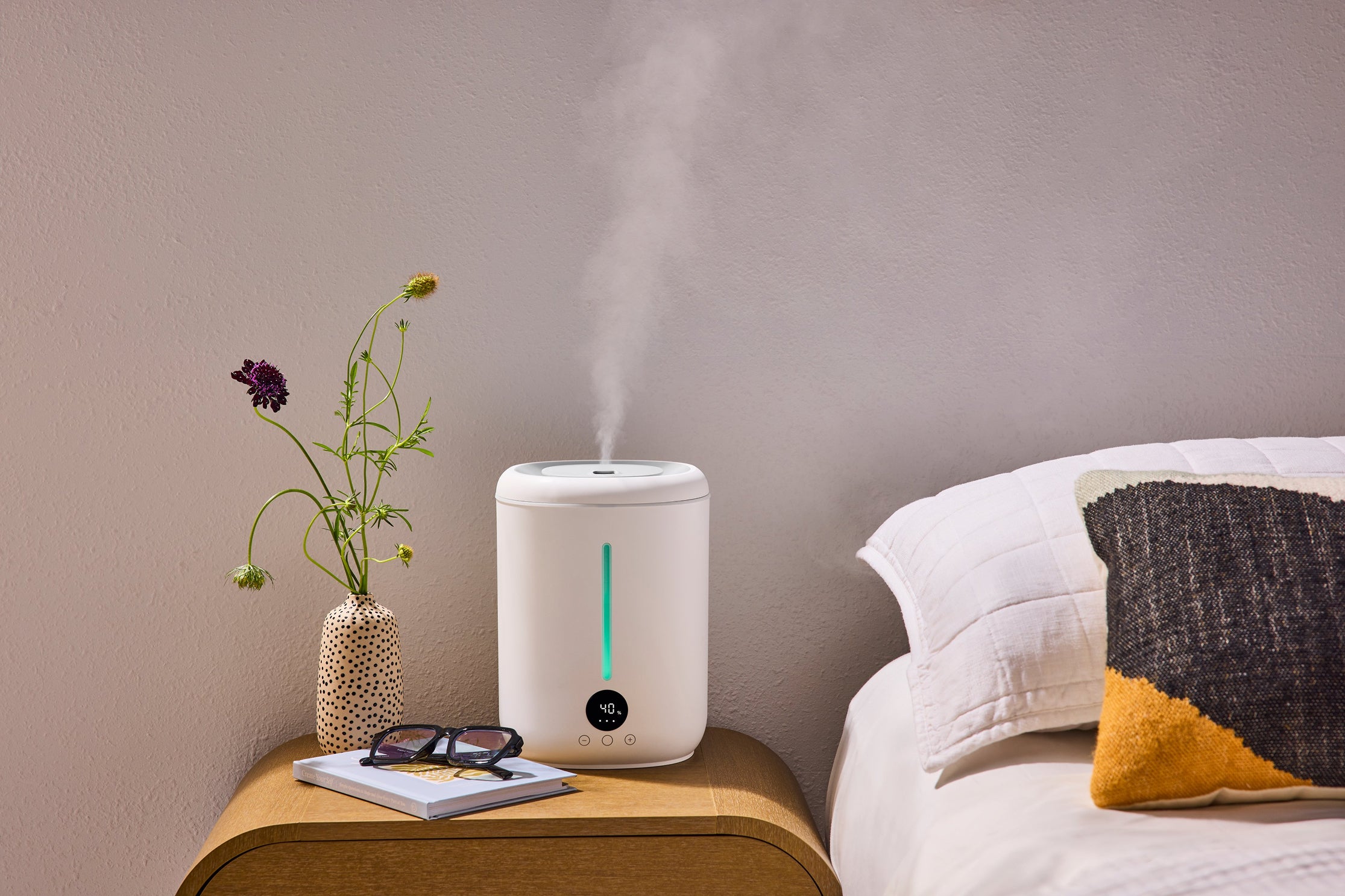
Placement: Place your humidifier at least 3 feet from the bed, elevated on a nightstand or dresser rather than the floor. Keep it away from pillows, bedding, and electronics.
Water: Distilled or demineralised. Especially important for ultrasonic models.
Running time: Overnight is safe if humidity stays below 55%. A humidistat model automates this, shutting off at the target without you having to monitor it.
Cleaning cadence: Drain and wipe the tank every 1–2 days during active use. Do a full clean with diluted white vinegar weekly. Allow to air-dry completely before refilling.
When to skip it: If indoor humidity already exceeds 50% without the humidifier running, you don't need it and running it will push conditions toward mold and dust mite territory.
Frequently Asked Questions
Is it okay to sleep with a humidifier every night?
Yes, if indoor humidity stays at 40–50% and the unit is cleaned every 1–2 days. Nightly use is safe and beneficial for most people.
How close should a humidifier be to the bed?
At least 3 feet away, elevated on a surface. Don't point the mist directly at your face or pillows.
Is a humidifier or air purifier better for sleep?
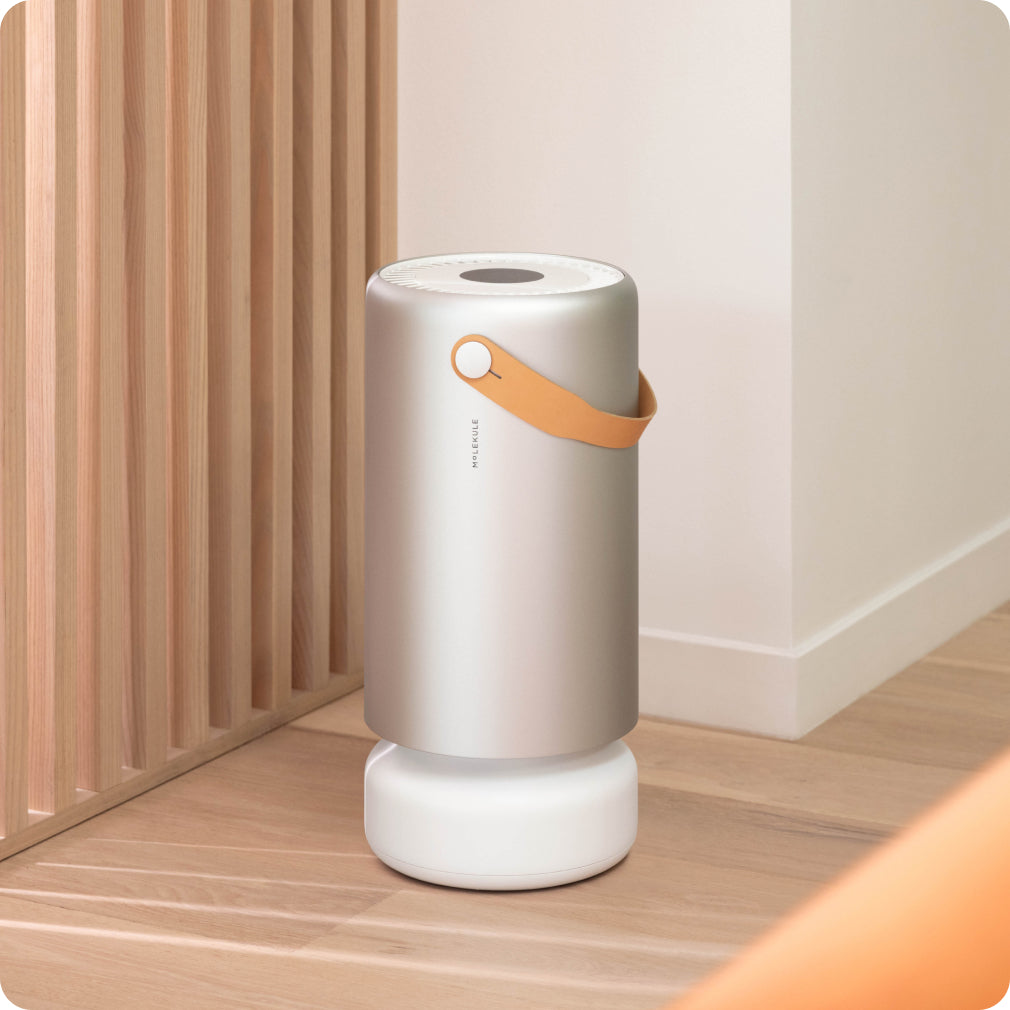
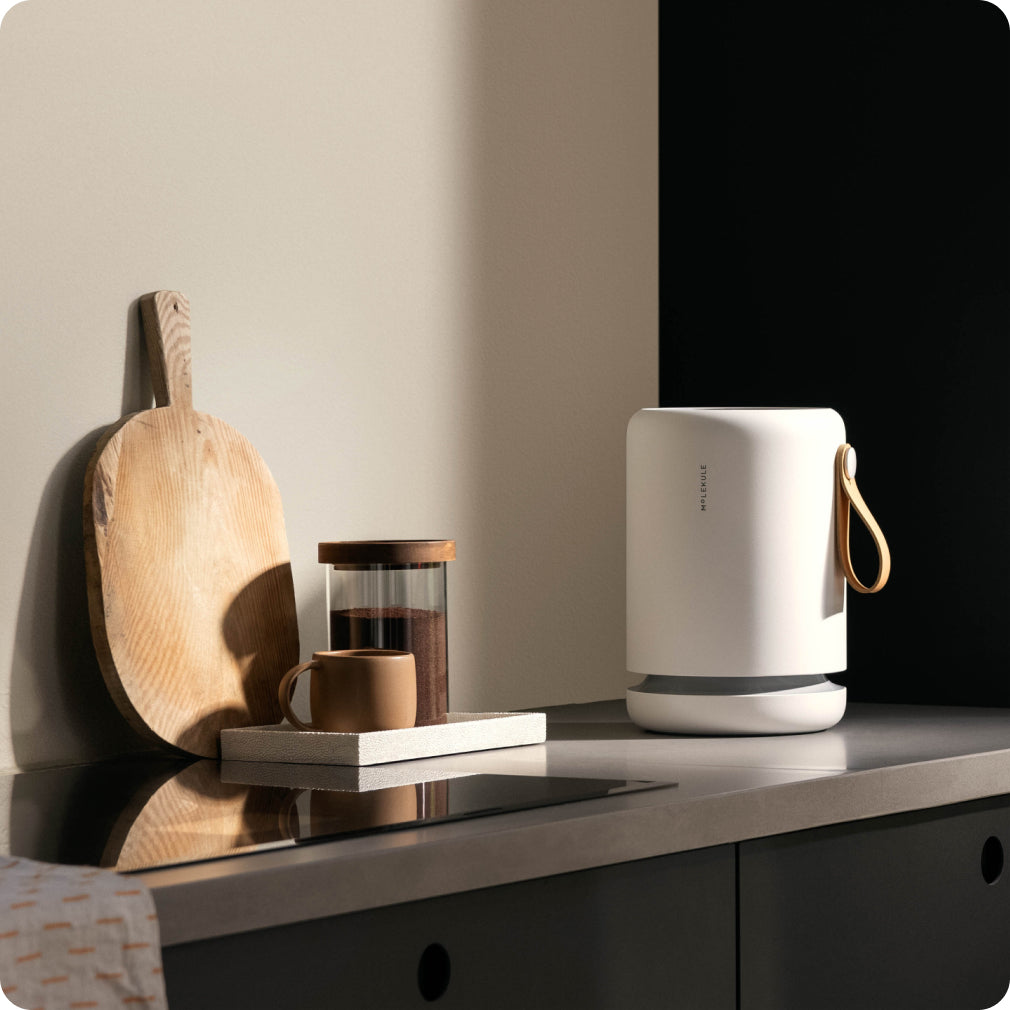
They do different things. A humidifier adds moisture to the air; an air purifier destroys airborne particles. Running both addresses two separate aspects of bedroom air quality simultaneously.
Can a humidifier make you sick?
An unclean one can. A dirty water tank aerosolises bacteria and mold spores. Clean the tank every 1–2 days during active use and use distilled water to prevent mineral contamination.