



Dr. Sonal Patel is a board-certified allergist and immunologist — and a mom. She sat down with us to talk about what's really happening in the air at home, why symptoms peak at night, and how families can take simple, meaningful steps toward cleaner indoor air.
As an allergist, what's the biggest misconception people have about indoor air?
The biggest misconception is that if you can't see dust or smell something unpleasant, your air must be clean. In reality, many of the most irritating particles — dust mite debris, pet dander, mold spores, and fine particulate matter — are microscopic. You won't see them floating in a sunbeam, but your immune system absolutely feels and reacts to them. This exposure adds up over time.
For patients with allergies or asthma, it's not about what's visible. It's about what's inhaled — often for hours at a time, especially indoors. I often talk to patients about creating an "Allergy Free Zone" in the bedroom. That starts with knowing what you can't see.
Why do allergy symptoms often feel worse at home, especially at night?
We spend a third of our lives in the bedroom. Mattresses and pillows can harbor dust mites, and bedrooms often contain carpeting, upholstered furniture, or pets — all potential allergen reservoirs.
At night, you're lying flat, which can increase nasal congestion. Windows are usually closed, so allergens accumulate. Air circulation is limited, meaning irritants linger longer. It's the perfect storm for symptoms like congestion, coughing, or postnasal drip to flare — right when you're trying to rest.
How does humidity factor into allergies?
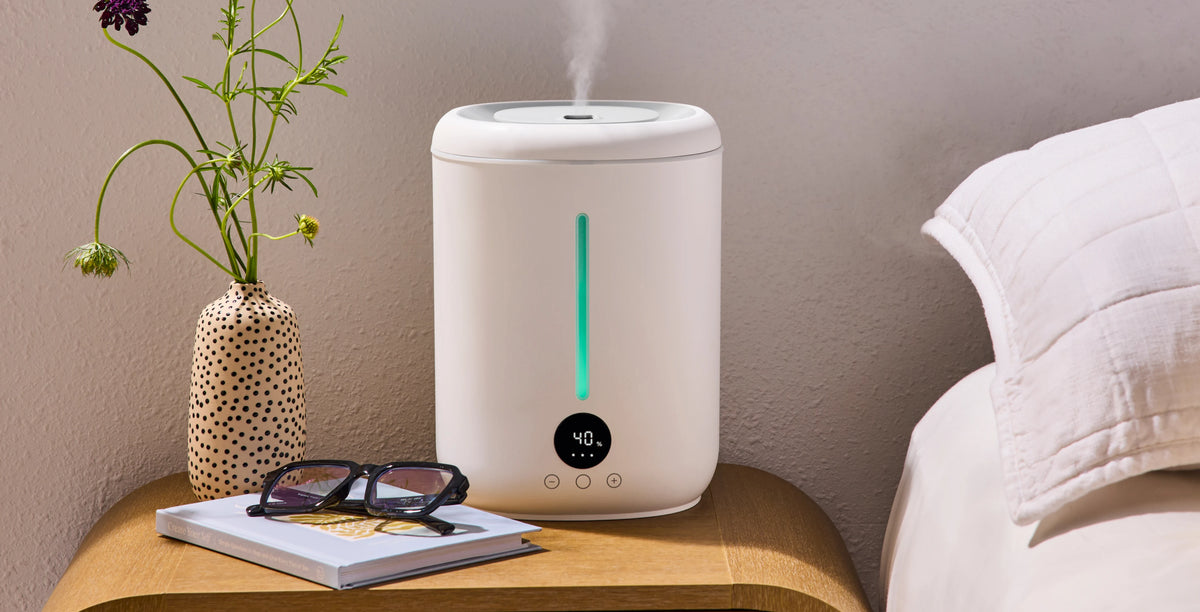
Humidity is a huge factor. When indoor relative humidity rises above 50%, dust mites and mold thrive. When it drops below 30%, the air becomes excessively dry and irritating to the respiratory tract.
The ideal indoor range is typically 30–50%. That's the sweet spot — low enough to discourage dust mites and mold growth, but high enough to keep airways comfortable and functioning properly. It's one of the most controllable levers you have in your home.
What happens to our airways when the air is too dry?
Our airways are lined with a delicate mucosal barrier that helps trap and clear particles. Dry air pulls moisture from that lining. When that happens, mucus becomes thicker and less effective. The tiny, hair-like cilia that sweep debris out don't function as well. And the airway lining itself can become irritated and inflamed.
Patients notice dryness, scratchy throat, nosebleeds, coughing, or worsened asthma symptoms. In short, dry air compromises one of our body's first lines of defense.
From a sleep perspective, how connected is air quality to rest?
Air quality and sleep are closely linked. If you're congested, coughing, or wheezing, your sleep will be fragmented. Even mild nasal obstruction can disrupt deep, restorative sleep.
Humidity levels matter too — too dry irritates the airway, too humid worsens congestion. Clean, balanced air supports easier breathing, and easier breathing supports better rest. When patients tell me they're "just tired all the time," I often ask about both their allergies and their bedroom environment.
As a mom, how do you think differently about air at home?
Children breathe more air per pound of body weight than adults — and their immune and respiratory systems are still developing. They're also closer to the floor, where dust and particulates settle.
So I think about air quality proactively, not reactively. It's not just about treating symptoms. It's about creating an environment that supports their growth and long-term lung health. We can't always control what they're exposed to outside, but inside the home — especially in the bedroom where they're spending 10 to 12 hours a day — we can make it cleaner.
Are seasonal allergies really just "seasonal"?
For many people, not anymore. Climate patterns are changing, pollen seasons are longer, and indoor allergens are present year-round.
It's common for patients to have both seasonal triggers — like tree or grass pollen — and perennial triggers like dust mites or pet dander. So what feels "seasonal" may actually be layered on top of chronic indoor exposure. If you live somewhere like Southern California, things pollinate almost year-round. Your "seasonal" allergy is often a year-round problem.
What practical steps do you recommend for managing indoor allergens?
Start with the basics and be consistent.
Maintain indoor humidity between 30–50%. Use allergen-proof mattress and pillow encasements. Wash bedding weekly in hot water. Vacuum regularly with a HEPA filter. Keep pets out of the bedroom if possible. Improve air circulation and filtration.
Small, steady changes can meaningfully reduce total allergen load. And talk to your physician or a local allergist — they can help pinpoint what will be most beneficial for you specifically. Not every tip applies to every person.
What's one overlooked habit that could improve air health?
People forget how much soft surfaces trap. Curtains, throw pillows, upholstered headboards — these quietly accumulate dust and allergens. Periodically washing or replacing soft furnishings and decluttering the bedroom can make a real difference.
There's also something to the concept of "burping" your house — opening windows periodically to let indoor pollutants dilute and fresh air circulate. When outdoor pollen and pollution are low, it works well. Paired with good filtration and humidity control, strategic ventilation is a smart habit.
If you could give families one piece of advice about air and wellness, what would it be?
Think of air the way you think about water or food. It's something your family consumes constantly — every breath, every day, all night long.
We can't control outdoor air completely, but we can be intentional about our indoor environment. Cleaner, balanced air supports healthier lungs, better sleep, and overall well-being. It's not just about avoiding symptoms. It's about supporting long-term health.


