


Desert dust storms generate fine particles, specifically PM10 and PM2.5, which are laden with silica, heavy metals, bacteria, and fungal spores that infiltrate homes. They sneak in through gaps in building envelopes, HVAC systems, and open windows.
When this happens, indoor dust concentrations can reach levels that trigger airway inflammation, elevated oxidative stress markers, and worsened asthma or allergy symptoms, even in people with no prior respiratory diagnosis.
When the Phoenix haboob of June 2011 rolled through Maricopa County, EPA AirNow data recorded PM10 levels exceeding 2,000 µg/m³ - forty times the 24-hour NAAQS standard. Homes with older window seals and unfiltered HVAC systems offered practically zero resistance to this powerful storm.
We’ll cover exactly what desert dust carries indoors, how it enters, what it does to your lungs, and which protective steps are backed by evidence. Reducing exposure requires sealing infiltration pathways and using air purifiers with verified HEPA or PECO-HEPA filtration.
Why Desert Dust is So Bad for Your Lungs
Desert dust is not a single substance. It's a heterogeneous mixture of mineral particles, heavy metals, and living organisms - and each component carries its own health risk once it's inside your home.
PM10 vs. PM2.5
Desert dust spans a wide size range, but two fractions matter most for indoor air quality: PM10 (particles up to 10 micrometers in diameter) and PM2.5 (particles 2.5 micrometers and smaller).
PM10 particles settle in the nose, throat, and upper airways, where the body can often trap and clear them.
PM2.5 particles travel past those defenses and reach the alveoli, the tiny air sacs deep in the lungs where gas exchange happens. They trigger local inflammation and can enter the bloodstream, driving systemic responses including elevated C-reactive protein (CRP) and oxidative stress.
During a haboob or Saharan dust plume event, both particulate types infiltrate indoor space. And the EPA classifies both as air pollutants with no safe lower threshold for sensitive populations.
Desert dust also carries viable bacteria, fungal spores, and endotoxins, all of which can trigger immune responses independent of live infection
Desert Dust Contains Heavy Metals
Studies identify lead, arsenic, cadmium, and crystalline silica as consistently elevated in desert dust samples from both North African and Southwestern US sources. Silica in its crystalline form (quartz) is classified as a Group 1 human carcinogen by the International Agency for Research on Cancer when inhaled over time.
These heavy metals don't just disappear from the air after a storm passes. They settle on floors, furniture, and HVAC filters, where they’ll be constantly kicked into the air as you walk around, sit on furniture, and run the air conditioning. One of the most effective ways to remove dust and the surrounding heavy metals from your home’s air are with an air purification system.
Note on dust composition: Saharan dust carries higher iron oxide and calcium carbonate concentrations, while Southwest US dust tends to carry more anthropogenic heavy metal contamination from mining and industrial activity.
How Dust Gets Inside Your Home
| How Dust Gets In | Risk Level | Associated Risks |
|---|---|---|
| Opening windows during a dust event | Very High | Actively bypasses the building envelope; serves as the single largest driver of acute indoor PM10 spikes in otherwise well-sealed homes. |
| Building envelope gaps (Pre-1980 homes, unsealed window frames, door thresholds, foundation cracks, electrical penetrations) | High | Older homes with poor air sealing accumulate indoor PM10 levels 2–3 times higher than newer construction during active dust storms. |
| Running exhaust fans without balanced supply (Kitchen/bathroom exhaust fans in exhaust-only HVAC designs) | High | Creates negative indoor air pressure, which actively draws and sucks outdoor dust through every small gap in the home's structure. |
| Skipping HVAC filter changes & poor maintenance | Moderate to High | Causes the system to recirculate already-trapped dust rather than cleaning the air, resulting in 30–50% higher indoor dust concentrations. |
| Leaving doors open briefly during a storm | Moderate | Causes an acute, short-duration spike of indoor dust accumulation. |
What Health Effects Occur at Different Dust Levels?
At indoor PM10 concentrations below 50 µg/m³, most healthy adults experience no acute respiratory symptoms. However, dust storms increase this concentration dramatically.
Airway Inflammation and Biomarkers
Between 50 and 90 µg/m³, individuals experience measurable increases in respiratory symptoms such as cough, wheeze, and chest tightness, particularly in people with asthma or allergies. At this range, airway inflammation is subclinical, meaning it may not produce dramatic symptoms but is detectable through inflammatory markers in blood and exhaled breath.
Above 90 µg/m³, levels of C-reactive protein (CRP) and interleukin-6 (IL-6) will increase following PM10 exposures at these concentrations. Oxidative stress markers also rise, reflecting cellular-level damage to airway tissue from reactive compounds carried on dust particles, including silica and heavy metals. Elevated levels indicate full-body inflammation, which places undue stress on internal organs and is linked to a host of long-term medical conditions.
Vulnerable Populations and Higher Risk
Children (especially babies), elderly individuals, and people with asthma or COPD show larger biomarker increases and more severe symptoms at the same exposure concentrations as healthy adults. Their airways are either still developing, already compromised, or less able to mount an effective antioxidant defense. For someone managing asthma, an indoor PM10 concentration that causes minor irritation in a healthy adult may trigger a full exacerbation requiring bronchodilator use.
Long-term exposure during active dust seasons compounds these effects. Studies associate weeks of elevated indoor PM10 with worsened asthma control scores, increased rescue medication use, and persistently elevated systemic inflammatory markers even between individual storm events.
Symptoms You May Notice During Dust Events
Symptoms tend to follow concentration thresholds fairly consistently:
-
50 - 90 µg/m³: dry cough, nasal irritation, mild wheeze
-
Above 90 µg/m³: chest tightness, shortness of breath, eye irritation, fatigue
-
Prolonged exposure: worsening asthma symptoms, increased reliance on inhalers, disrupted sleep from nighttime coughing
If you notice these symptoms intensifying during or after a dust event, indoor PM2.5 and PM10 levels are the likely driver.
How to Reduce Indoor Dust Exposure During Dust Storms
1. Monitor Outdoor Air Quality and Adjust Behavior
Check EPA AirNow before opening windows each morning during dust season. When the Air Quality Index (AQI) for PM10 rises above 150, close all windows and exterior doors and switch your HVAC to recirculation mode.
This prevents the largest surge of PM10 and PM2.5 from entering during a haboob or Saharan dust plume event. Set up AirNow text alerts so you don't have to check manually.
2. Upgrade and Maintain Your HVAC Filters
Swap your existing filter for a MERV 13 or higher rated filter, which captures fine particles the lower-rated filters pass through. Replace it every 30 days during high-dust months, not the standard 90-day interval.
If your filter is loaded with dust, it’s much more inefficient and will just recirculate the trapped particles it was meant to capture. If your HVAC ductwork has leaks, a high-grade filter won’t work as well, so make sure to check duct seams and patch them before dust season peaks.
3. Seal Your Home
Apply weatherstripping to door frames and caulk gaps around window casings, prioritizing windows that face the prevailing wind direction. For older homes (built before 1980), infiltration rates during dust events can run two to three times higher than in newer construction, so sealing is worth the effort. If a full weatherstripping project isn't affordable right now, foam tape around the worst-fitting windows costs under $15 per window and measurably reduces infiltration.
4. Use Portable Air Purifiers in High-Risk Rooms
Place an air purifier in the bedroom and main living area, particularly if anyone in your household has asthma or allergies. Studies suggest HEPA filtration may help reduce indoor PM10 concentrations by 50 to 70% during dust events.
There are numerous health benefits of air purifiers for respiratory health that extend beyond dust season, but they perhaps most acute when outdoor AQI spikes and you're stuck inside. Run the purifier continuously during events, not just when you notice dust. By the time you see haze indoors, fine particles are already circulating and you’ll be playing catch-up.
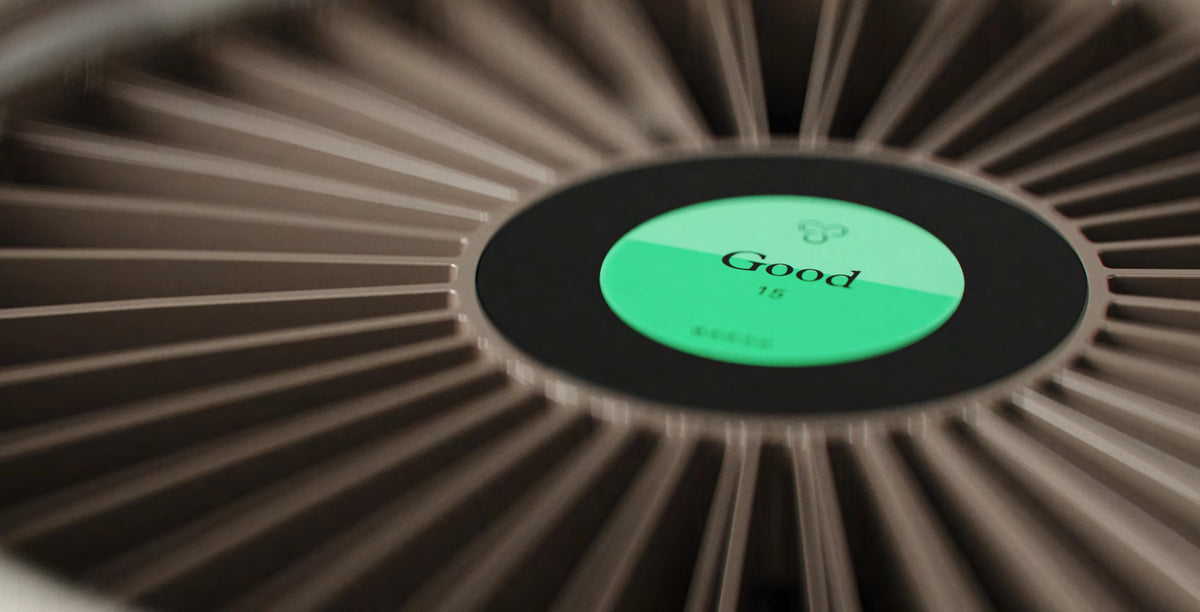
When selecting an air purifier for dust storms, prioritize True HEPA filtration, which is EPA-verified to capture 99.97% of airborne particles down to 0.3 µm (including PM2.5 and PM10). For comprehensive protection, consider units that pair HEPA with PECO or photocatalytic technology to destroy gaseous co-pollutants and VOCs at the molecular level, like the Molekule air purifiers.
Ensure the unit's Clean Air Delivery Rate (CADR) for dust is high enough to cycle a room’s air 2 to 3 times per hour (e.g., a dust CADR of at least 200 CFM for a 300 sq ft room). For maximum protection, place your air purifier in high-traffic spaces like bedrooms and living areas first.
What Should I Do After a Dust Storm?
Even after a dust storm clears, settled particles persist on indoor surfaces and easily re-suspend into the breathing zone through routine foot traffic and cleaning. To mitigate this extended exposure, use a HEPA-filter vacuum and wet-wipe surfaces instead of dry sweeping, which only pushes particles back into the air.
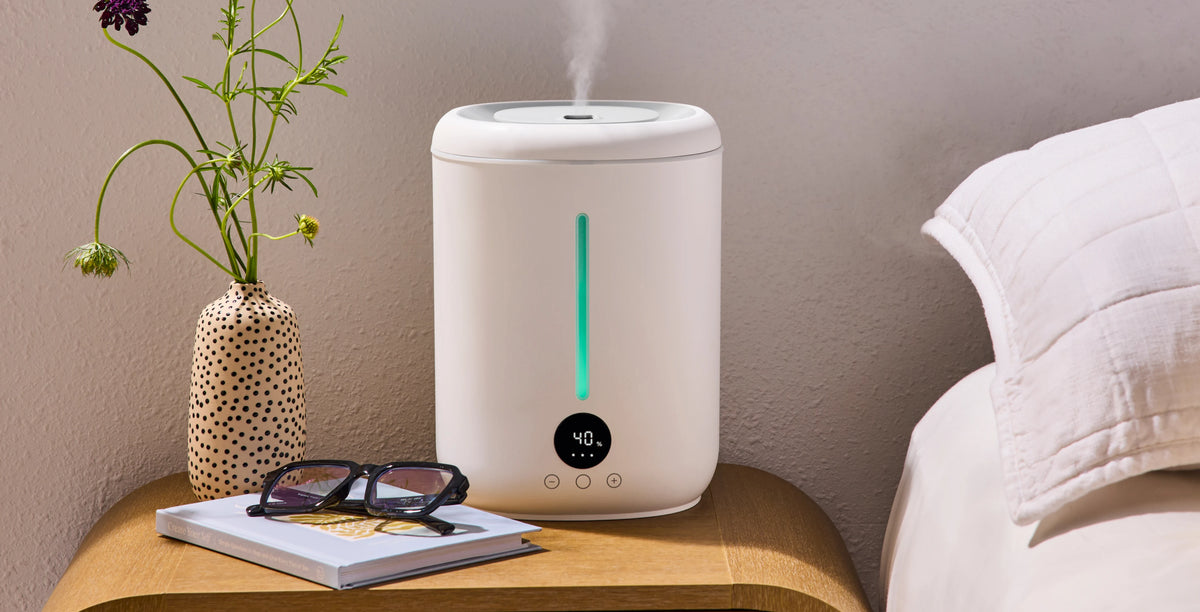
Keep indoor relative humidity between 40% and 50% by using a humidifier to prevent the proliferation of dust-borne bacteria and fungal spores (such as those causing Valley Fever), and replace your HVAC filter (MERV 13 or higher) within 24 to 48 hours to avoid recirculating trapped pollutants. Your relative humidity will likely be lower than 30-40%, so you’ll need to increase it.
Continue running your air purifier for at least 24 to 48 hours post-storm, especially in bedrooms, to capture any particles kicked back into the air during the cleanup process.
How to Prepare Before Dust Season Arrives
-
Inspect window seals, weatherstripping, and attic HVAC duct joints during calm months to block entry points before dust season peaks.
-
Purchase MERV 13+ HVAC filters and spare True HEPA purifier filters before seasonal demand spikes prices and reduces availability.
-
Use a PM2.5 sensor during a clear week to find your home's normal baseline, and sign up for EPA AirNow alerts for early warnings.
-
Make sure everyone in your family knows to stay indoors during an active storm, run purifiers on high, and minimize physical activity to reduce particle inhalation.
FAQs
Can the Saharan dust make you sick?
Yes. It carries silica, heavy metals, and spores that cause respiratory irritation, asthma flare-ups, and allergies.
What is the most common cause of poor indoor air quality?
Poor ventilation combined with indoor pollutants like dust, pet dander, mold, VOCs, and cooking emissions.
Does removing dust improve air quality?
Yes, eliminating settled dust prevents it from re-suspending into the breathing zone and lowering PM2.5/PM10 levels.
Can bad air quality cause phlegm?
Yes, airborne particulates irritate your airways, prompting your body to produce excess mucus and phlegm to trap them.


